Nova Scotia Premier Criticizes First Nations Highway Blockades Amid Rising Tensions
Nova Scotia's premier has issued a sharp rebuke against recent First Nations protests that have blocked major highways across the province, creating significant disruptions and escalating political tensions. The premier's comments come as demonstrations by Indigenous communities continue to highlight longstanding disputes over land rights and resource management.
Highway Disruptions and Political Fallout
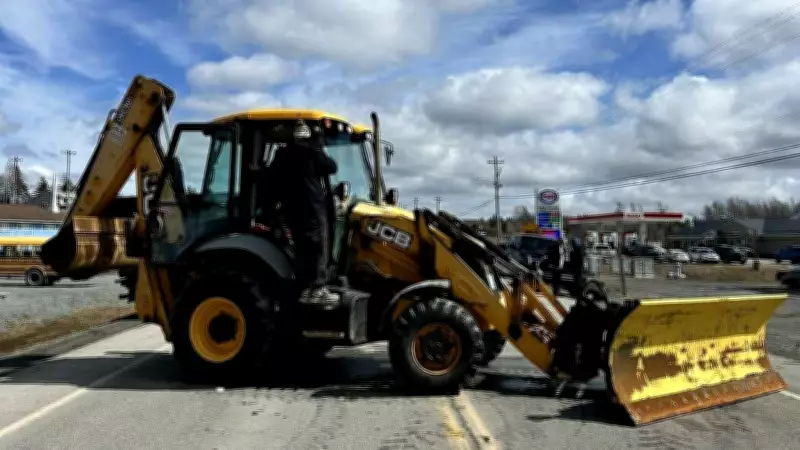
In recent days, protesters have used tractors and other vehicles to obstruct key transportation routes, including Highway 4 in the Potlotek First Nation area. These blockades have severely impacted traffic flow and commercial activities, drawing criticism from government officials who argue that such actions are unlawful and counterproductive to dialogue.
The premier emphasized that while the government respects the right to peaceful protest, blocking essential infrastructure crosses a line and undermines public safety. "We cannot have highways being shut down arbitrarily," the premier stated, adding that such measures create unnecessary hardship for residents and businesses alike.

Broader Context of Indigenous Rights
These protests are part of a larger pattern of Indigenous activism across Canada, where communities are increasingly taking direct action to assert their rights and draw attention to unresolved grievances. Issues such as treaty violations, environmental concerns, and inadequate consultation on development projects have fueled these demonstrations.
First Nations leaders involved in the blockades argue that they are left with few alternatives after years of stalled negotiations and broken promises from provincial and federal authorities. "When our voices are ignored through official channels, we must take to the streets to be heard," one community representative explained.
Government Response and Future Implications
The provincial government has indicated it will work with law enforcement to ensure highways remain open, while also committing to renewed discussions with Indigenous leaders. However, the premier's strong condemnation suggests a hardening stance that could complicate future negotiations.
This situation reflects the delicate balance Canadian authorities must maintain between upholding the rule of law and addressing legitimate Indigenous concerns. As protests continue to emerge nationwide, the Nova Scotia case serves as a microcosm of the broader challenges facing reconciliation efforts in Canada.
The coming weeks will likely see increased scrutiny on how both sides navigate this conflict, with potential implications for similar disputes elsewhere in the country. The premier concluded by urging all parties to return to the negotiating table, warning that continued blockades will only deepen divisions and delay meaningful solutions.