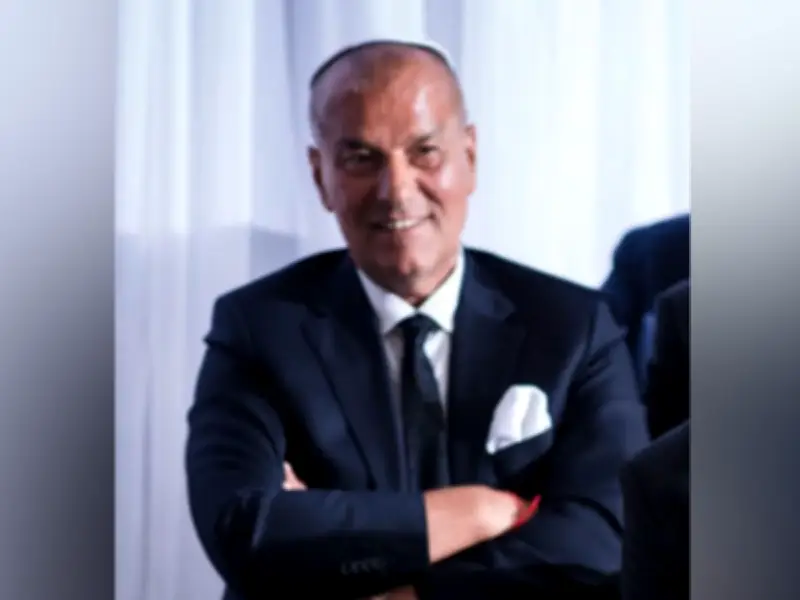
Michel Mizrahi, a 68-year-old Israeli-born businessman, was killed on Monday in Montreal's Côte-des-Neiges neighbourhood during a shootout between police and a suspect described as a Canadian terrorist. The incident, which also left two police officers wounded, has shaken the community. But those who knew Mizrahi insist his legacy will be defined not by the cruel irony of his death, but by the manner of his life.
A Life Marked by Tragedy and Resilience
Mizrahi's life was punctuated by devastating losses. In January 1991, his father died in a missile attack in Israel during the Gulf War. On October 7, 2023, a child of one of his siblings was killed at the Nova music festival in the Hamas attack. Despite these tragedies, Mizrahi remained a man of faith and hope.
Born in Lebanon, Mizrahi moved to Israel and later settled in Montreal, where he became a successful businessman. He was deeply devoted to Israel, travelling there almost every year on the anniversary of his father's death. Last year, at Montreal's Yom HaZikaron ceremony, he was asked by the Israeli consul general to recite the Kaddish, the Jewish memorial prayer.

The Final Encounter
Beryl Wajsman, a friend and columnist, last saw Mizrahi on Saturday at synagogue to celebrate a mutual friend's birthday. "Who could have imagined that this would be the last time I would see him, some 30 years after we first met?" Wajsman wrote. The shootout occurred on Monday, and Mizrahi was caught in the crossfire.
Wajsman drew on John Donne's Meditation XVII: "No man is an island... any man's death diminishes me." He described receiving hundreds of calls, including one from a friend who cried uncontrollably. "All cried for him but all also considered our own fates and the serendipitous and fragile nature of our lives," Wajsman noted.
A Legacy of Faith Over Fear
Despite the absurdity of life, as Albert Camus called it, Wajsman urged readers to honour Mizrahi's memory by choosing faith over fear and hope over despair. "Few people have been touched so personally by the scourge of war and terrorism. Yet those who knew Michel never saw bitterness. They saw resilience. They saw faith. They saw a man who refused to surrender hope despite suffering that would have overwhelmed many others," Wajsman wrote.