Mi'kmaw Chiefs Demand Immediate Moratorium on Community Raids Following Highway Blockades
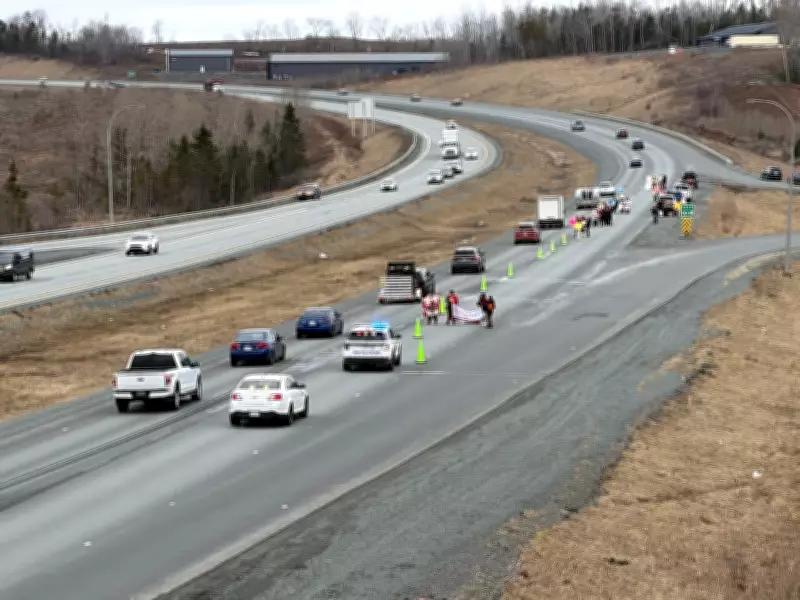
Mi'kmaw chiefs in Nova Scotia have issued a strong call for a moratorium on community raids by law enforcement, a demand that comes in the wake of recent highway blockades that significantly disrupted traffic on a major provincial thoroughfare. The blockades, which occurred on April 2, 2026, slowed vehicles on Highway 102 between exit 10 at Shubenacadie and exit 13 at Millbrook, drawing widespread attention to ongoing Indigenous rights issues in the region.
Highway Disruption Sparks Broader Dialogue
The protests, which involved demonstrators deliberately slowing traffic, were captured on video by CTV Atlantic, showing a visible impact on commuter and commercial movement. This action has reignited discussions about the relationship between Indigenous communities and provincial authorities, with Mi'kmaw leaders emphasizing that such disruptions are symptomatic of deeper systemic grievances that require urgent address.
Chiefs argue that the practice of conducting raids within their communities exacerbates tensions and undermines trust, creating a cycle of conflict that hinders meaningful dialogue and resolution. They contend that these enforcement actions often occur without adequate consultation or consideration of community protocols, leading to escalations that could be avoided through more collaborative approaches.

Context of Indigenous Rights and Law Enforcement
The call for a moratorium is not an isolated request but part of a broader push for recognition of Mi'kmaw sovereignty and self-determination. Historical and contemporary issues, including land rights, resource management, and cultural preservation, underpin the current standoff, with the highway blockades serving as a visible manifestation of these unresolved matters.
Community leaders stress that the raids, often conducted in response to various alleged infractions, disproportionately affect Indigenous populations and fail to account for traditional governance structures. They advocate for a pause in such operations to allow for the development of new frameworks that respect Mi'kmaw laws and customs, potentially involving mediated discussions with provincial and federal representatives.
Potential Implications and Next Steps
If the moratorium is not heeded, Mi'kmaw chiefs warn of continued protests and possible further disruptions, highlighting the urgency of their demand. They point to similar situations in other provinces where tensions have led to prolonged standoffs, underscoring the need for proactive measures to prevent escalation.
- Increased scrutiny on law enforcement practices in Indigenous communities, with calls for transparency and accountability in raid procedures.
- Potential for renewed negotiations between Mi'kmaw leaders and government officials to address underlying issues beyond the immediate blockades.
- Broader public awareness of Indigenous rights struggles, as media coverage of the highway incidents brings national attention to Nova Scotia's specific challenges.
The situation remains fluid, with authorities yet to formally respond to the chiefs' moratorium request. However, the highway blockades have undeniably shifted the conversation, placing pressure on all parties to seek constructive solutions that balance legal enforcement with respect for Indigenous autonomy and community well-being.