Prime Minister Mark Carney's Liberal government is facing accusations of playing legal hardball with First Nations seeking clean drinking water, prompting pushback from Indigenous communities. Interviews and court documents reviewed by the Investigative Journalism Bureau (IJB) reveal a marked shift in government strategy on three fronts: in Alberta, Canada halted settlement talks involving four nations; in Ontario, it is using a legal tactic that appears to contradict its own guidelines; and nationally, it is appealing a summary judgment that found Canada owes First Nations a duty of care on drinking water.
Frustration Over Broken Promises
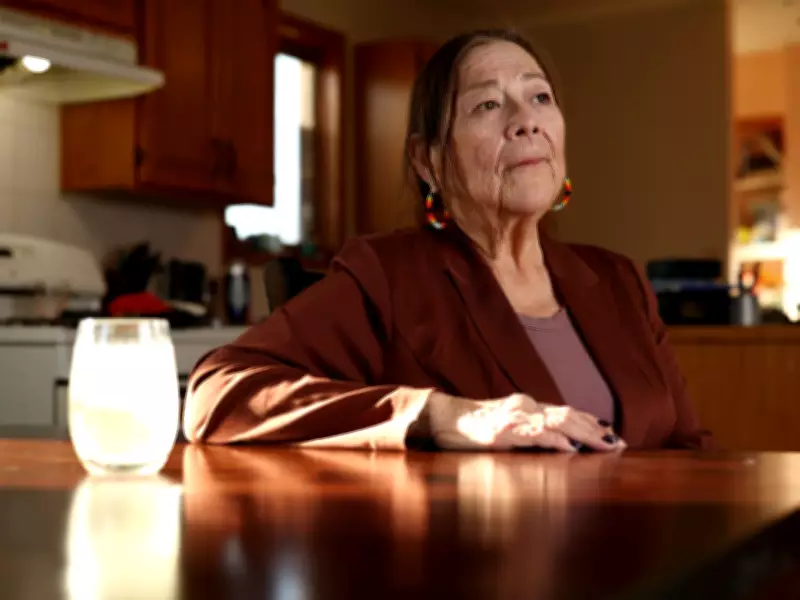
First Nations leaders expressed frustration with a government that once emphasized reconciliation but now appears to abandon attempts to resolve disputes. Carol Wildcat, a resident of Ermineskin First Nation in Alberta, where water remains undrinkable, symbolizes the ongoing crisis. Many communities have endured years—sometimes generations—without safe drinking water, firefighting capabilities, or even running water.
Legal Tactics Under Scrutiny
In Ontario, the government is employing a legal maneuver that critics say contradicts its own guidelines for government lawyers. Meanwhile, Canada is appealing a federal court ruling that recognized a duty of care for drinking water, arguing the judge erred. Some First Nations are taking the government back to court, alleging breaches of a 2021 drinking-water settlement agreement. Another nation plans to seek a court declaration of a right to clean drinking water—a right Canada has resisted despite ministerial statements supporting it.

Secrecy and Rising Advisories
Canada is keeping the costs of these legal battles secret. As of May 6, there were 39 long-term drinking water advisories in 37 First Nations communities, with 154 lifted since 2015. However, for the first time in a decade, more advisories were added than lifted in the past two years, and these figures exclude dozens in British Columbia and Alberta.
Infrastructure Disparities
While Canada promotes high-profile nation-building projects on Indigenous land, First Nations leaders call for similar treatment for their own infrastructure needs. Indigenous Services Minister Mandy Gull-Masty was unavailable for comment, but a spokesperson stated the government respects First Nations' right to seek court assistance and remains committed to advancing solutions for safe drinking water.