From Persecution to Prairie Welcome: An Iranian Woman's Canadian Journey
In July 1982, Mahnaz Robertson arrived in Vancouver carrying a photo album, the responsibility for two younger brothers, and a profound uncertainty that felt physically heavy. She had fled Iran with her family after the persecution of Bahá'ís intensified following the revolution, spending three difficult years in the Philippines where they were unable to study or work while receiving distressing news about Bahá'ís back home being arrested, tortured, or killed.
The Saskatchewan Embrace
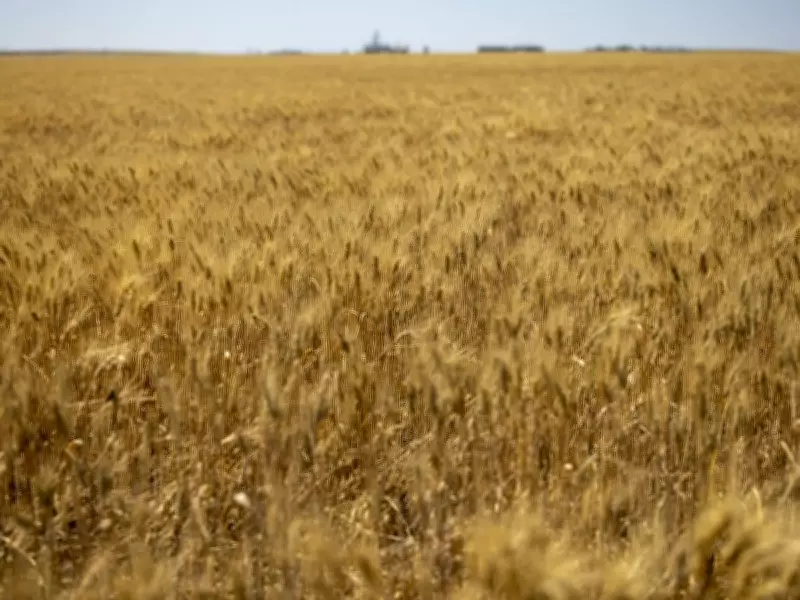
Canada, a country they had never seen before, opened its doors to them. From the window of a bus heading to Swift Current, Robertson witnessed the Saskatchewan prairies stretching farther than anything she had previously known. "Wheat fields danced in the wind; the sky felt endless," she recalls. "I wondered quietly, where are the people?"
Upon arrival, a member of the Bahá'í community welcomed them with genuine warmth. Within days, at just 21 years old, Robertson found employment washing floors and dishes in a restaurant located a 40-minute walk from their apartment. Though the work was exhausting with long hours, it represented hope and forward movement for a family that had been stuck in limbo for years.

Building Bridges Across Cultures
Robertson met her future husband Archie in a basement suite during their first year in Canada. With her English limited and his Persian nonexistent, communication initially relied on photographs—images of parents, uncles, aunts, and cousins from a life they could not return to. Archie didn't yet know that Robertson's grandfather had been killed or that her father had been injured by a mob because they were Bahá'ís. He simply saw them as survivors trying to start anew.
"For him, I was a young woman determined to build a future," Robertson explains. "For me, he was someone who saw us not as refugees, but as neighbours."
Learning the Rhythms of Prairie Life
After marrying Archie, Robertson immersed herself in the rhythms of prairie farming. She learned how to read the sky, respect the land, and understand how fragile a year's income could be in agriculture. She discovered how the difference between gentle rain and hail could determine everything for farming families.
Robertson experienced simple yet profound prairie pleasures: "supper at the back of an old farm truck can taste better than any restaurant," she notes. She marveled at the awe-inspiring Northern Lights and the quiet miracle of fireflies dancing in summer evenings.
Creating a Legacy of Service
Canada provided Robertson with safety and purpose. She learned English, worked in restaurants, raised children, opened a daycare, studied at night, and spent more than two decades serving her community as a credit union account manager and lending officer.
For over 25 years, Robertson volunteered with the Southwest Multicultural Association, supported immigrant women, taught English as a second language, and opened her home to newcomers. "I never forgot what it felt like to be welcomed," she emphasizes.
Canada's generosity not only transformed Robertson's life but also shaped her children's futures. Today, her children serve their communities as a doctor, an engineer, and a pharmacist. They have developed a deep love for the land and now Robertson's grandchildren are learning about service, unity, and building vibrant communities—continuing the legacy that began with one family's journey from persecution to belonging.