Indigenous Women's Advocates Press for Critical Funding to Enhance Safety and Economic Security
Indigenous women's groups across Canada are intensifying their calls for substantial federal funding to address persistent risks to safety and prosperity within their communities. This urgent appeal comes as organizations highlight systemic gaps that continue to endanger lives and hinder economic advancement, despite increased public awareness and symbolic gestures of support.
Symbolic Reminders and Systemic Challenges
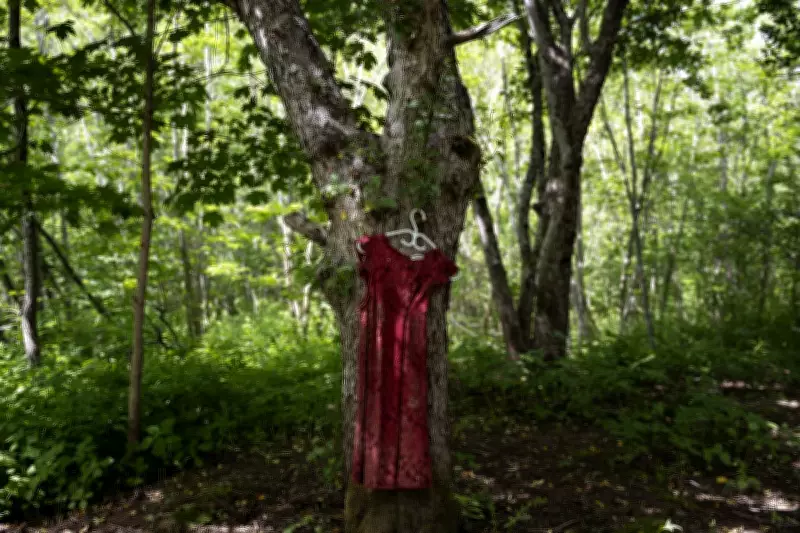
The iconic red dress, a powerful symbol of the Missing and Murdered Indigenous Women and Girls (MMIWG) movement, serves as a stark visual reminder of the ongoing crisis. Hanging from trees in communities like We'koqma'q First Nation in Nova Scotia, these dresses underscore the human toll of inadequate resources and support. Advocates argue that while such symbols raise awareness, concrete financial commitments are essential to translate recognition into tangible improvements in security and opportunity.
Funding as a Pathway to Safety and Prosperity
Key demands from Indigenous women's organizations include dedicated funding streams for:

- Enhanced community safety initiatives, such as improved lighting, transportation, and emergency response systems in remote and urban areas.
- Economic empowerment programs that provide job training, entrepreneurship support, and access to capital for Indigenous women-led businesses.
- Mental health and trauma services tailored to address intergenerational trauma and the specific needs of survivors and families affected by violence.
- Infrastructure development in Indigenous communities to create safer living environments and foster local economic growth.
Proponents emphasize that investing in these areas not only protects lives but also unlocks economic potential, contributing to broader national prosperity. They point to studies showing that when Indigenous women are safe and economically secure, entire communities benefit through reduced poverty rates and increased social stability.
Broader Context and Advocacy Efforts
This funding push aligns with longstanding advocacy efforts following the National Inquiry into Missing and Murdered Indigenous Women and Girls, which issued calls for justice in 2019. While some progress has been made, groups report that implementation has been slow and underfunded, leaving many recommendations unfulfilled. The current campaign seeks to accelerate action by securing earmarked budgets in federal spending plans, with a focus on sustainable, community-led solutions rather than short-term fixes.
As discussions unfold, Indigenous leaders stress that funding must be accompanied by meaningful consultation and respect for Indigenous sovereignty. They argue that top-down approaches have historically failed, and that resources should be directed to organizations with deep community ties and expertise. The call for funding is framed not as a request for charity, but as a necessary step toward justice and reconciliation, addressing historical inequities that continue to impact daily life.
With public attention periodically renewed through events like National Indigenous Peoples Day, advocates hope to maintain momentum and secure commitments that translate into real-world change. The outcome of these efforts could significantly influence the safety and economic trajectories of Indigenous women and girls for generations to come.