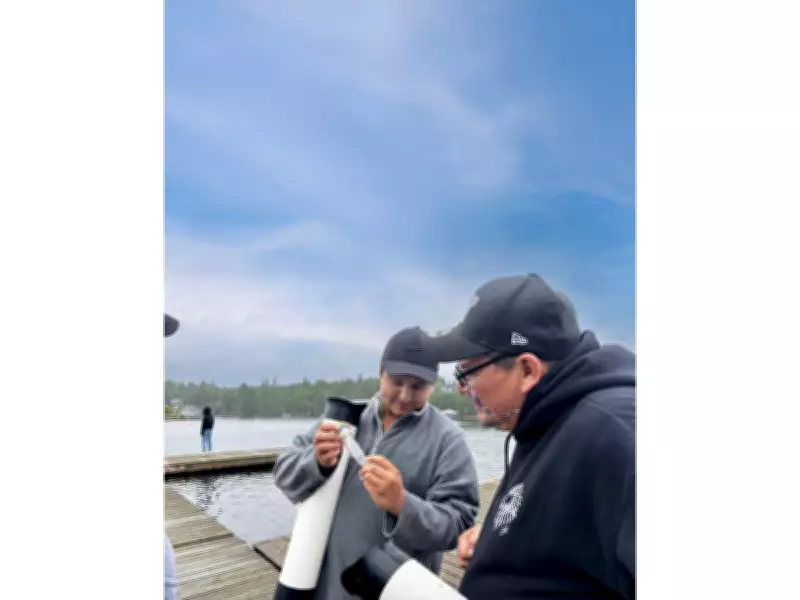
KENORA, Ontario — Eight new Indigenous Water Operators have embarked on a career in water protection after graduating from a specialized internship program. The Drinking Water Internship, a collaboration between Water First Education & Training Inc. and the Anishinaabeg of Kabapikotawangag Resource Council (AKRC), along with Big Island First Nation, celebrated its latest cohort of graduates.
Program Details and Achievements
The 15-month program requires each graduate to complete more than 2,000 hours of hands-on training and pass four exams to earn Water Operator certification. Phil Tangie, a member of the Water First Board of Directors and Hub Manager at AKRC, praised the initiative: "The Water First winning formula continues to graduate First Nation Water Operators at an unprecedented rate of return and has proven to be worth its weight in water, which in this day and age is worth far more than gold."
To date, 73 interns from 47 Indigenous communities have graduated from the program, collectively logging over 170,000 hours working in local water plants and attending workshops.

Graduate Perspective
Brandon Penner of Big Grassy First Nation, a recent graduate, shared his experience: "It pushed me out of my comfort zone. And it reassured me of what I am capable of when I put my mind to something."
Addressing the Water Crisis
Sustainable access to safe, clean water remains a critical issue in Indigenous communities. Across Canada, 16% of First Nations are affected by a drinking water advisory, with that number rising to 32% in Ontario. The challenges are complex and layered, often involving infrastructure, source water quality, or a shortage of trained personnel to manage water systems. Water First collaborates with Indigenous communities that have identified education and training, such as the Drinking Water Internship, as part of their solution.
Rhonda Nash, AKRC Director of Operations, emphasized the need: "There has been a need to have certified water treatment operators for our five member First Nations. Of these five bands there are seven separate communities, two of which are remote. It is important for these communities to have clean drinking water and have their own members operate the water treatment plants to sustain self-sufficiency and create employment opportunities."
The graduation ceremony marked a significant step forward in building local capacity and ensuring long-term water safety in Indigenous communities.