Highway 4 Reopens Following First Nation Protest Over Cannabis Enforcement
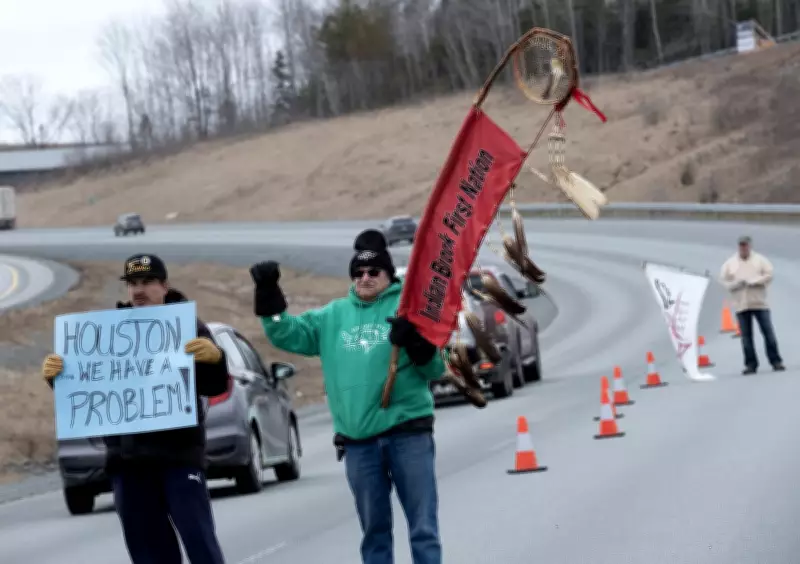
Highway 4 in Nova Scotia has reopened after a protest by the Sipekne'katik First Nation temporarily blocked traffic along Highway 102 near Shubenacadie. The demonstration, which occurred on Thursday, April 2, 2026, was organized to oppose a recent cannabis crackdown by authorities.
Protest Details and Police Response
Members of the Sipekne'katik First Nation gathered along Highway 102 to voice their concerns over enforcement actions targeting cannabis operations. The protest caused significant disruptions to local transportation, with police monitoring the situation closely to ensure public safety. According to law enforcement officials, the highway was cleared and reopened after the protest concluded, with no reports of violence or arrests during the event.
The protest highlights ongoing tensions between Indigenous communities and government policies regarding cannabis regulation. The Sipekne'katik First Nation has been actively involved in advocating for their rights and sovereignty in economic activities, including cannabis production and distribution.

Broader Context and Community Impact
This incident underscores the complex relationship between Indigenous nations and federal or provincial regulations on controlled substances. The protest reflects broader issues of self-determination and economic autonomy for First Nations in Canada, particularly in regions like Nova Scotia where such disputes have historical roots.
Local residents and commuters experienced delays due to the highway closure, but police emphasized that the protest remained peaceful throughout. Authorities have not released specific details about the cannabis crackdown that prompted the demonstration, but it is believed to involve enforcement actions against unlicensed cannabis operations in the area.
The reopening of Highway 4 marks a return to normalcy for the region, but the underlying issues raised by the Sipekne'katik First Nation are likely to persist. Community leaders have called for dialogue with government officials to address their grievances and seek a resolution that respects Indigenous rights and legal frameworks.