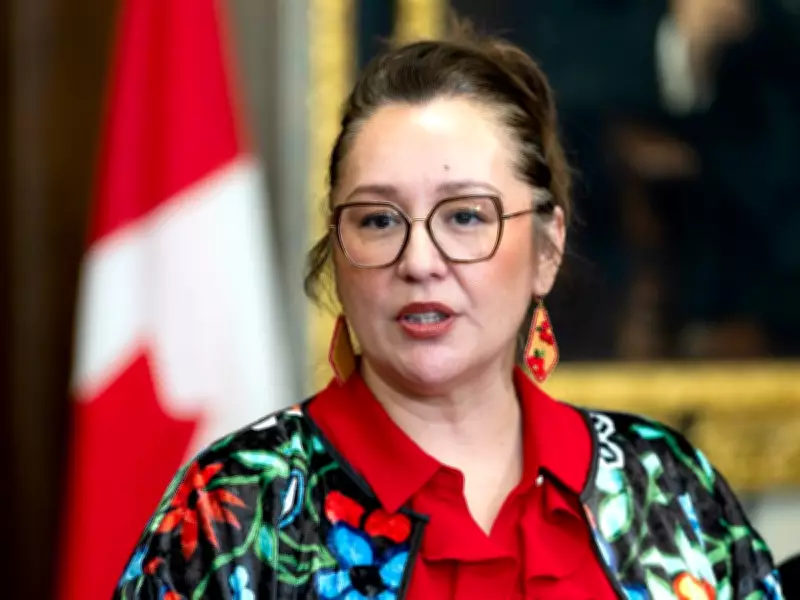
Canada’s Minister of Indigenous Services, Mandy Gull-Masty, is continuing to press the Federation of Sovereign Indigenous Nations (FSIN) for answers regarding an audit that raised concerns about millions of dollars in spending by the organization. In a recent interview, Gull-Masty emphasized that her department is focused on obtaining further information rather than actively recovering funds.
Ongoing Questions from Indigenous Services Canada
Since September 2025, Indigenous Services Canada (ISC) has been requesting that FSIN leadership respond to the audit by providing documentation to justify expenditures and explain the rationale behind certain decisions. The audit, conducted by KPMG, covered spending from April 1, 2019, to March 31, 2024, and flagged a variety of issues, including over $30 million provided to the federation during the COVID-19 pandemic.
“I do still have a number of questions,” Gull-Masty stated. She clarified that the government is currently “trying to work with FSIN to understand and to seek further information,” and is not actively pursuing repayment of the $28.7 million that was previously requested in March.

Audit Findings and FSIN’s Response
The KPMG audit identified nearly $2 million in ineligible administration fees and raised concerns about travel expenses. Gull-Masty stressed the importance of transparency and accountability, noting that funding agreements must be respected and that documentation must support spending decisions. She explained that the audit was triggered by “internal procedures” that flagged questions about certain financial transactions.
FSIN’s leadership has disputed the audit’s findings. Chief Bobby Cameron stated that the organization has acted “in good faith every step of the way” and has been “transparent, responsive and accountable” throughout the audit process. He highlighted that member First Nations were provided with necessary Personal Protective Equipment (PPE) during the pandemic.
“Our top priority when the COVID pandemic hit was to implement our inherent and treaty rights under the famine and pestilence clause,” Cameron said in March. FSIN did not respond to a request for comment this week.
Minister’s Perspective and Calls for Transparency
Gull-Masty acknowledged that it can be “challenging” when decisions are questioned, but she views her role as one that “holds up the mirror” to ask how decisions support First Nations members. She emphasized that Cameron is accountable to the First Nations that make up FSIN’s membership.
“It’s really up to him to show his members that he’s able to defend and to showcase that the decisions that he took was in their best interest,” she said.
Saskatoon Tribal Council Chief Mark Arcand, a member of FSIN’s treasury board, has also called for greater transparency from the federation’s leadership in the wake of the audit. “We’re dealing with inconsistencies, no transparency and lack of accountability to the boards and commissions,” he stated at a media conference in March.