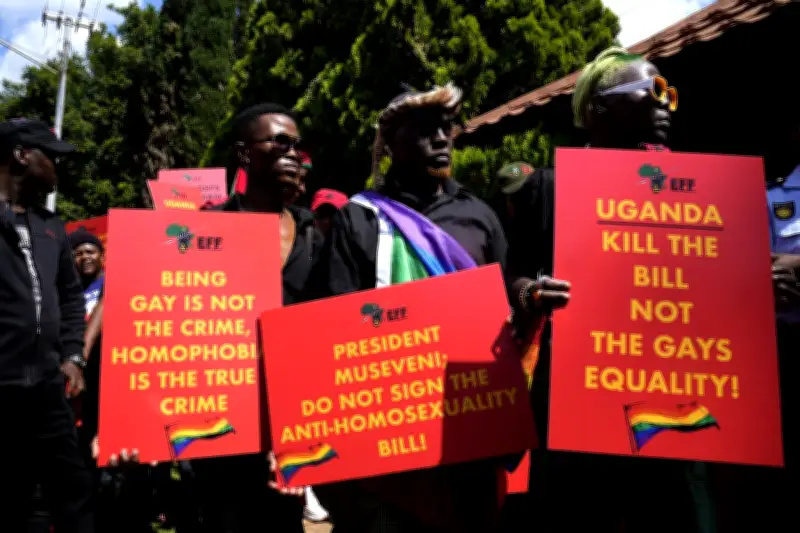
An Ebola-related travel ban imposed by Canada has prevented Ugandan LGBTQ+ activists from attending and speaking at a rights conference in Ottawa, drawing sharp criticism from human rights organizations. The ban, initially implemented to curb the spread of the Ebola virus, has been applied broadly, blocking individuals from affected regions, including Uganda, where LGBTQ+ advocates had been invited to share their experiences.
Impact on Conference
The conference, focused on global LGBTQ+ rights, was scheduled to feature several Ugandan activists who have been at the forefront of challenging Uganda's Anti-Homosexuality Act. Their absence has left a significant gap in the program, according to organizers. "We are deeply disappointed that these voices cannot be heard due to a public health measure that seems to be misapplied," said a spokesperson for the conference.
Human Rights Concerns
Human rights groups argue that the ban is overly broad and disproportionately affects vulnerable populations. "Travel restrictions should be based on health risks, not used as a tool to silence activists," said a representative from Amnesty International. The Ugandan activists had planned to discuss the deteriorating situation for LGBTQ+ individuals in Uganda, where the Anti-Homosexuality Act imposes severe penalties, including the death penalty for certain offenses.

Government Response
Canadian officials have defended the ban, stating that it is necessary to protect public health. However, they have not provided specific details on how the ban is enforced or whether exceptions can be made for humanitarian or advocacy purposes. Critics are calling for a review of the policy to ensure it does not infringe on fundamental rights.
The incident has reignited debate over the balance between public health measures and human rights, with many urging the Canadian government to find alternative ways to allow affected individuals to participate in international forums.