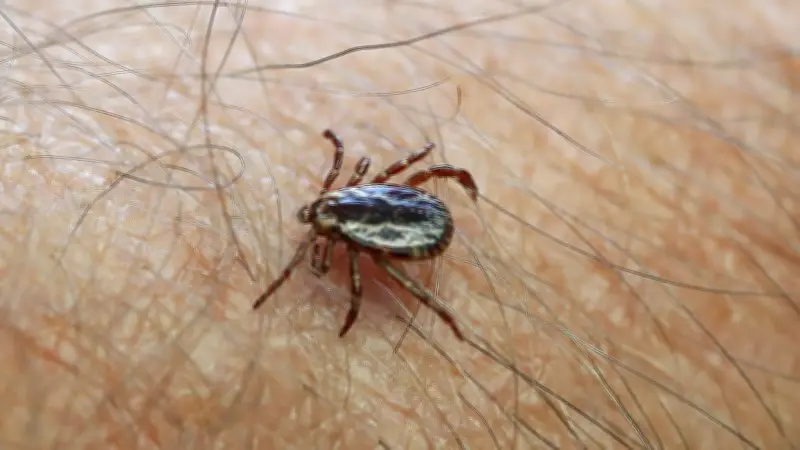
New Brunswick's new tick monitoring system has reported that exposures to blacklegged ticks tripled the average in April, according to data released by the province. The tracker, launched earlier this year, aims to provide real-time information on tick activity and help residents take precautions against tick-borne diseases such as Lyme disease.
Record High Exposures
The April data shows a significant spike in reported tick exposures compared to historical averages for the month. Health officials attribute the increase to a combination of milder winter temperatures and early spring conditions, which have extended the active season for blacklegged ticks. The tracker, which collects data from healthcare providers and public reports, recorded three times the usual number of exposures for April.
Public Health Response
Dr. Jennifer Russell, New Brunswick's chief medical officer of health, emphasized the importance of vigilance. "We are seeing a concerning trend, and it is crucial that residents take preventive measures when spending time outdoors," she said. The province has ramped up public awareness campaigns, including tips on using insect repellent, wearing long sleeves and pants, and performing thorough tick checks after being outside.

Lyme Disease Risk
Blacklegged ticks are known vectors for Lyme disease, which can cause serious health issues if left untreated. Symptoms include fever, headache, fatigue, and a characteristic skin rash. Early diagnosis and treatment are essential to prevent long-term complications. The tracker also provides information on high-risk areas and offers guidance on how to safely remove ticks.
Community Involvement
Residents are encouraged to report tick encounters through the online tracker, which helps health authorities map tick populations and forecast disease risk. The data is also used to inform public health interventions and research on tick ecology. "Community participation is key to our success in managing tick-borne diseases," added Dr. Russell.
As summer approaches, health officials urge continued caution and recommend checking pets and children for ticks after outdoor activities. The tracker will be updated weekly throughout the tick season.