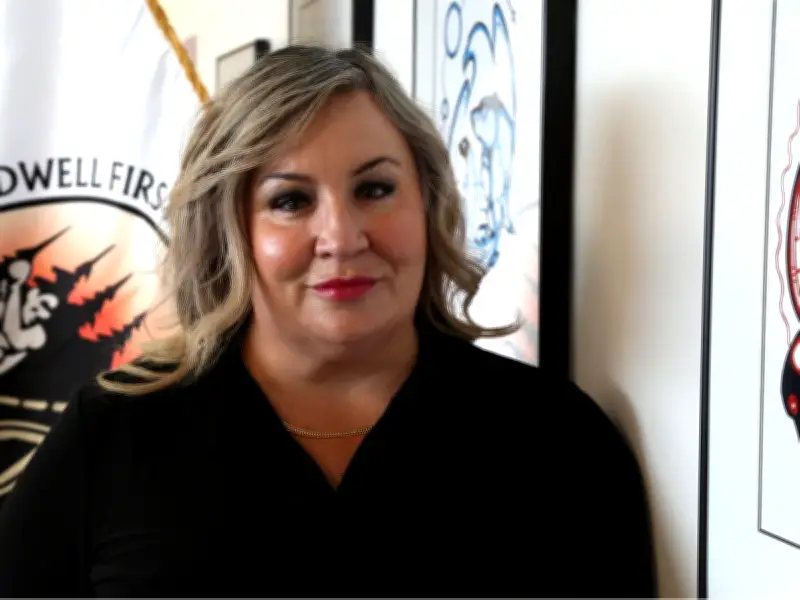
A delegation from Caldwell First Nation journeyed to Ottawa on Thursday to speak out about what they see as discriminatory provisions and enfranchisement in the Indian Act.
Caldwell First Nation Chief Nikki van Oirschot and 25 members travelled eight hours on a bus the night before. For a small and dispersed community, she said it was a pretty significant turnout.
Call to End Discrimination
“We’re calling on the federal government to end the discrimination. Don’t make our people wait another generation,” van Oirschot said. “Many court decisions have all affirmed that there is still discrimination in this Act and it needs to stop.”

While the Indian Act has been amended many times, the latest Bill C-2 seeks to review the rules surrounding enfranchisement and eligibility requirements to register for Indian status.
Obtaining status grants access to treaty annuity payments, specific legislated rights, post-secondary education funding, and non-insured health benefits.
Speaking Out
Van Oirschot said many concerned community members wanted to speak out following the recent decision from the Supreme Court of British Columbia to lift enfranchisement, but only in B.C.
Caldwell First Nation is a custom band, meaning they have the authority to create their own membership provisions. However, van Oirschot said community recognition does not replace federal recognition.
“That is not the solution, and sometimes our members get deferred from different agencies that say, ‘Oh, you should just go to your band because they can determine their own membership,’” she said. “That is true, but we don’t determine federal recognition and that comes with consequences.”
Within Caldwell First Nation, van Oirschot said families are being fractured by disparities in legal recognition.
“For some of the other community members, it’s the enfranchisement provision that allows them to get status but doesn’t allow a sibling or a cousin to get status,” she explained.
Generational Gap
Another provision is the second-generation cut-off rule, which denies children from registering if they have two generations of parents without status.
“If my kids go on to have children, second generation would impact them. They wouldn’t be eligible,” she said.
Van Oirschot hopes speaking up will help raise awareness and ensure First Nation members have a seat at the table.
“I think hearing these stories and the pain and hurt and divide that it causes hopefully speaks to the right people,” she said. “So they can realize that this federal policy, not created by us, impacts us and has the potential to impact those future generations as well.”