B.C. NDP Government Signs Historic Treaty with K’omoks First Nation
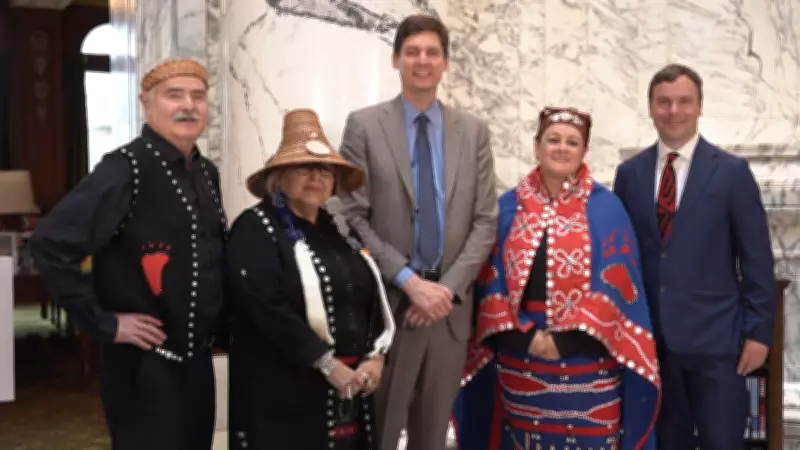
The British Columbia NDP government has officially signed a significant treaty with the K’omoks First Nation, marking a pivotal moment in Indigenous relations. This agreement, celebrated as a milestone by provincial officials, comes at a time of heightened tension between the government and various Indigenous leaders across the province.
Background of Strained Relations
The treaty signing occurs against a backdrop of ongoing pushback and criticism directed at the B.C. NDP over recent amendments to the Declaration on the Rights of Indigenous Peoples Act (DRIPA). Indigenous communities have expressed concerns that these changes may undermine their rights and autonomy, leading to strained dialogues and public disputes.
Despite these challenges, the government has emphasized the treaty with the K’omoks First Nation as a positive step forward, showcasing its commitment to reconciliation and partnership. The agreement aims to address long-standing issues related to land rights, resource management, and cultural preservation, providing a framework for future collaboration.

Details of the Treaty Agreement
The treaty outlines specific provisions for the K’omoks First Nation, including:
- Land ownership and stewardship over traditional territories.
- Economic development opportunities to foster community growth and sustainability.
- Cultural heritage protections to safeguard language, traditions, and historical sites.
Government representatives have praised the treaty as a model for other negotiations, highlighting its potential to set a precedent for respectful and equitable partnerships with Indigenous nations. However, critics argue that without addressing the broader concerns surrounding DRIPA changes, such agreements may face implementation hurdles.
Reactions from Indigenous Leaders and Communities
Reactions to the treaty have been mixed. While some members of the K’omoks First Nation have welcomed the agreement as a hard-won victory, other Indigenous leaders across B.C. remain skeptical. They point to the ongoing DRIPA controversy as evidence of systemic issues that could affect the treaty's long-term success.
In statements, Indigenous advocates have called for more transparent and inclusive processes in government dealings, urging the B.C. NDP to listen to diverse voices and ensure that treaty commitments are upheld without compromise.
Political and Social Implications
This development holds significant political weight for the B.C. NDP, as it navigates the complex landscape of Indigenous relations. The treaty may bolster the government's image as proactive on reconciliation, but it also risks further alienating communities dissatisfied with DRIPA amendments.
As the province moves forward, observers note that the true test will be in how the treaty is implemented and whether it can help mend the strained relations highlighted by recent pushback. The outcome could influence future policies and set the tone for Indigenous-government interactions in British Columbia and beyond.