VICTORIA — Attorney General Niki Sharma sounded like she had been handed a lifeline this week after the Supreme Court of Canada let stand a lower court finding that Aboriginal title cannot be applied to private property in New Brunswick.
New Brunswick Court of Appeal Ruling
The New Brunswick Court of Appeal had ruled that “a declaration of Aboriginal title over privately owned lands … would sound the death knell of reconciliation with the interests of non-Aboriginal Canadians.”
B.C. Government's Position
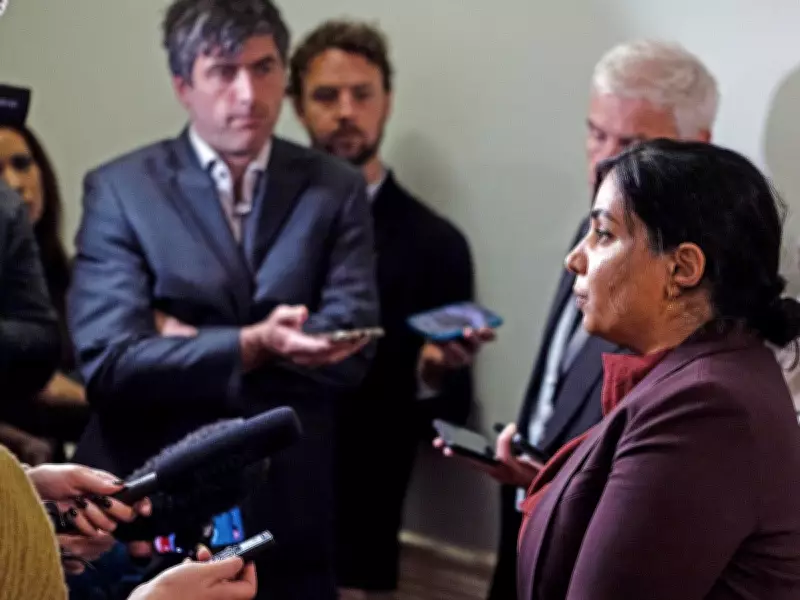
The B.C. government took a similar line in disputing the B.C. Supreme Court award of Aboriginal title to the Cowichan Nation over hundreds of hectares of private land in Richmond. “It is important for people to know that essentially, our arguments are what the court found in New Brunswick — the arguments that the province made here about private property being protected,” Sharma told reporters Thursday.

“It’s an interesting state right now where the Supreme Court of Canada has decided to not take a look at that law, so as not to overturn that decision in New Brunswick when it is the same legal issues that we’re dealing with here.”
Expert Opinions
Sharma’s comments were echoed by Geoffrey Moyse, formerly a legal counsel in the Attorney General Ministry and lately a critic of the B.C. government approach on Aboriginal title and Indigenous reconciliation. “The fact that the Supreme Court of Canada has denied leave is hugely helpful,” Moyse told Rob Buffam of CTV. “The New Brunswick Court of Appeal has decided the issue somewhat differently, quite differently, than the trial judge in the Cowichan case.”
Also supportive were the comments from the federal Department of Crown-Indigenous Relations. “The court found that Aboriginal title could not be declared over privately owned lands,” said spokesperson Rebecca Alty. “This decision will inform arguments in other cases, such as the Cowichan case in British Columbia.”
A more sobering perspective was provided by Dwight Newman, professor of constitutional law at the University of Saskatchewan and a regular commentator on Indigenous litigation in B.C. “The outcome in the (New Brunswick) case is moderately positive for those hoping to see a change in the Cowichan result. But only moderately so,” he wrote Friday on his Law for Breakfast site.
“The New Brunswick decision is not binding in B.C. British Columbia’s courts could yet go a different path than the New Brunswick court did, and then the Supreme Court of Canada may have to look at everything again. Moreover, the New Brunswick decision says only that the outcome of Aboriginal title litigation cannot be a title declaration over privately owned lands,” continued Newman.
New Democrats may welcome this week's relief from months of political imbroglio. But it could spell longer-term uncertainty, as the legal landscape remains complex and unresolved.