Alberta Separatist Referendum Faces First Nations Injunction and Verification Hurdles
Organizers behind the Alberta separatist petition announced last week they have collected the 177,732 signatures needed to potentially force a referendum on independence from Canada. However, significant legal obstacles remain that could prevent the October vote from proceeding as planned.
Verification Process and Timeline
The group behind the petition, called Stay Free Alberta, must now submit their signatures to Elections Alberta for verification by May 2. According to Bill 14, which legislates citizen-led initiatives, the provincial electoral office will carefully examine each signature to ensure validity and compliance with legal requirements.
Should Elections Alberta verify the signatures, the United Conservative Party government has committed to adding the petition's question to an October 19 referendum. The question asks: "Do you agree that the Province of Alberta should cease to be part of Canada to become an independent state?"

If a majority votes "yes," this would trigger complex negotiations between Alberta and the Crown to determine separation terms. Legal experts suggest this process could take years to finalize, creating uncertainty about the practical implementation of any independence decision.
First Nations Legal Challenge
The most substantial roadblock to the separatist petition comes from the Sturgeon Lake Cree Nation, which has filed an injunction against the effort. The First Nation community, located near Grande Prairie, Alberta, has submitted a statement of claim against the Crown, the federal attorney general, and Alberta's chief electoral officer.
Court of King's Bench hearings began this week in Edmonton, with proceedings expected to continue through the week. In their legal claim, Sturgeon Lake calls for the court to halt the Stay Free petition entirely and demands the province repeal sections of Bill 14 that lowered thresholds for citizen-led petitions.
The community also seeks $250,000 in payments to cover legal and associated costs, according to documents shared with media outlets.
Treaty Rights Argument
Sturgeon Lake Cree Nation argues they were not properly consulted before the separatist petition was tabled and claims the push for an independent Alberta violates their Treaty 8 rights. The community, along with other First Nations, signed Treaty 8 in 1899, establishing an agreement between Indigenous peoples and the Crown covering more than 800,000 square kilometres of land.
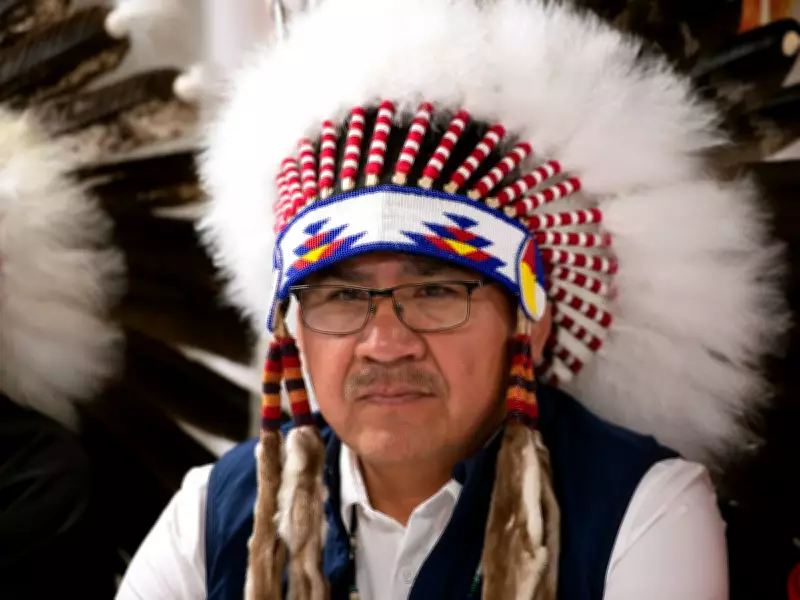
"Alberta was not even a province when these treaties were signed," said Sturgeon Lake Chief Sheldon Sunshine in an interview. "To have the government accommodate a small fringe group of people to change the law ... that's really where we take exception."
The First Nation contends that Alberta claiming sovereignty over treaty lands would fundamentally violate their long-standing agreement with Canada, creating legal complications that extend beyond the immediate referendum question.
Broader Implications
This legal challenge highlights the complex intersection of Indigenous treaty rights with contemporary political movements. The outcome could establish important precedents for how citizen-led initiatives interact with existing treaty obligations and consultation requirements.
As the verification process and legal proceedings unfold simultaneously, the path to an October referendum remains uncertain. Both processes must conclude favorably for separatist organizers before Albertans can vote on the independence question, creating a race against time with multiple potential failure points.
The situation represents a significant test for Alberta's citizen initiative legislation and demonstrates how Indigenous rights considerations can impact even the most ambitious political movements in contemporary Canadian politics.