

Venezuelan migrants who were sent by the United States to El Salvador and later faced deportation are now calling for justice. This follows a significant ruling by a U.S. federal judge on their cases.
A Family's Journey and a Legal Challenge
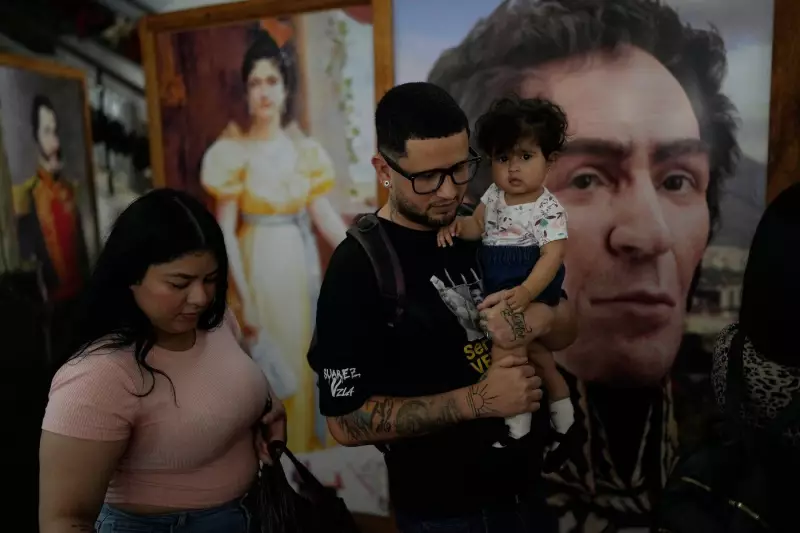
The case came to light on Friday, December 26, 2025, when Arturo Suarez, a Venezuelan migrant, stood with his family outside a government building in Caracas, Venezuela. Suarez had been sent by U.S. authorities to El Salvador before ultimately being deported back to his home country. After reading a public statement, he was photographed walking with his family, highlighting the personal toll of complex immigration policies.
The situation stems from a ruling by a U.S. judge concerning the practice of sending certain migrants to third countries. While the specific legal details of the judge's decision are central to the migrants' renewed calls for accountability, the outcome has directly impacted individuals like Suarez. The migrants argue that their transfers violated their rights and are now seeking legal recourse.

The Human Cost of Policy Shifts
This development underscores the often turbulent and uncertain path faced by migrants caught between shifting international policies. The transfer of migrants from the U.S. to El Salvador, and their subsequent removal to Venezuela, represents a multi-stage process that has drawn scrutiny from human rights advocates.
For the migrants involved, the ruling represents a pivotal moment. It provides a legal foundation to challenge their treatment and demand transparency from the governments involved. Their public demand for justice in Caracas signals a move from silent suffering to organized advocacy, even after being returned to Venezuela.
Broader Implications for Migration
The case of Arturo Suarez and others is likely to resonate beyond this specific group. It touches on broader questions about:
- International cooperation on migration: The agreements between nations that allow for the transfer of asylum seekers and migrants.
- Legal accountability: How judicial systems in countries like the United States can review and rule on the execution of these policies.
- Human rights protections: The safeguards for individuals throughout complex deportation and transfer processes.
As these Venezuelan migrants mobilize, their call for justice adds a powerful human narrative to ongoing debates about border management, international responsibility, and the rights of displaced persons. The aftermath of the U.S. judge's ruling will be closely watched by policymakers and advocacy groups across the Americas.






