

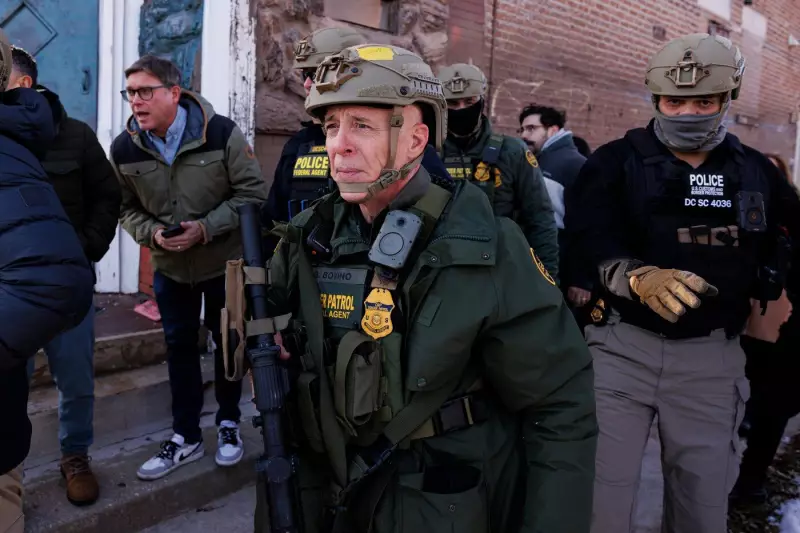
The U.S. Department of Justice (DOJ) has initiated a significant legal challenge against the state of Illinois and its governor, J.B. Pritzker. The federal lawsuit, filed on December 23, 2025, contests two state laws that restrict federal immigration agents from carrying out enforcement actions in sensitive locations like hospitals and state courthouses.
The Core of the Legal Dispute
At the heart of the lawsuit are the Illinois Way Forward Act and related legislation. These laws, championed by Governor Pritzker and the state's Democratic-led legislature, were designed to build trust between immigrant communities and public institutions. They prohibit U.S. Immigration and Customs Enforcement (ICE) and Customs and Border Protection (CBP) agents from making arrests or conducting other enforcement operations inside or near hospitals and courthouses without a judicial warrant.
The Justice Department argues that these statutes unlawfully interfere with the federal government's constitutional authority to enforce immigration laws. The lawsuit claims Illinois is creating "sanctuary" jurisdictions that actively impede federal officers, potentially endangering public safety by shielding individuals who may have criminal records from detection and removal.

Context and Recent Enforcement Actions
The legal filing comes amid visible federal immigration activity in the Chicago area. As recently as Tuesday, December 16, 2025, Border Patrol agents, including Commander Gregory Bovino, were observed detaining an individual in Chicago's Little Village neighborhood. This enforcement action, captured by photographers, underscores the ongoing presence of federal agents in Illinois communities.
Governor Pritzker and other supporters of the laws defend them as necessary measures to ensure all residents, regardless of immigration status, can access essential services like healthcare and the justice system without fear. They argue that when individuals avoid hospitals or courts due to fear of deportation, it creates public health and safety risks for the entire community.
Broader Implications and Next Steps
This lawsuit represents the latest chapter in the enduring conflict between certain states and the federal government over immigration enforcement priorities. A victory for the DOJ could embolden challenges to similar policies in other states and municipalities. Conversely, a win for Illinois would reinforce the ability of states to use their police powers to set limits on how federal laws are enforced within their borders, particularly in designated safe spaces.
The case is expected to proceed through the federal court system, with both sides preparing for a potentially lengthy legal battle. The outcome could have significant ramifications for the relationship between state and federal authority, as well as for the daily lives of immigrant communities across Illinois and potentially the nation.






