

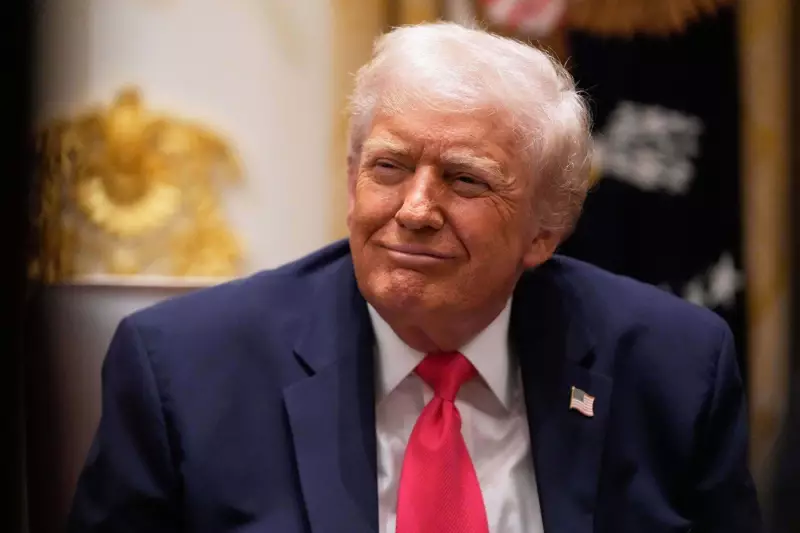
President Donald Trump has directed sharp criticism and policy focus towards the Somali community in Minnesota, according to reports from December 2025. The remarks, made during his administration, have ignited controversy and drawn accusations of divisiveness.
The Content of the Remarks
While the Associated Press report did not publish the exact phrasing, it characterized Trump's words as "harsh" and indicated they were coupled with specific policies aimed at this demographic. The incident occurred in the context of a Cabinet meeting held at the White House on Tuesday, December 2, 2025. The targeting of a specific ethnic community within the United States by a sitting president represents a significant and contentious political development.
Context and Immediate Reaction
Minnesota, and specifically the Minneapolis-St. Paul area, is home to one of the largest Somali diaspora populations in North America. The community has been a vibrant part of the state's social and economic fabric for decades. Trump's decision to single them out follows a longstanding pattern of rhetoric from his political career focusing on immigration and specific national-origin groups.

Civil rights organizations and community leaders were swift to condemn the president's language. They argued that such rhetoric from the highest office risks stoking prejudice, endangering community safety, and undermining social cohesion. The conflation of an entire community with broader policy concerns about immigration or security was labeled as irresponsible by critics.
Broader Implications and Policy Links
The report notes that the harsh words were not isolated but were connected to "policies" targeting the same group. This suggests a move from rhetoric to administrative or legislative action, though the specific policy measures were not detailed in the initial news item. Such a combination raises profound questions about equity, religious freedom, and the targeting of minority groups by federal authority.
Political analysts suggest this move may be intended to galvanize a specific segment of the electorate ahead of the upcoming electoral cycle. However, the strategy carries considerable risk, potentially alienating independent voters and further polarizing the national discourse on immigration and diversity.
The event underscores the deep and ongoing tensions in American politics surrounding identity, belonging, and the scope of presidential power. The direct targeting of a well-established immigrant community by name marks a notable moment in the political landscape of late 2025, with repercussions likely to be felt in community relations and political debates for the foreseeable future.






