

Trump's Border Czar Announces Continued Security Presence in Minnesota
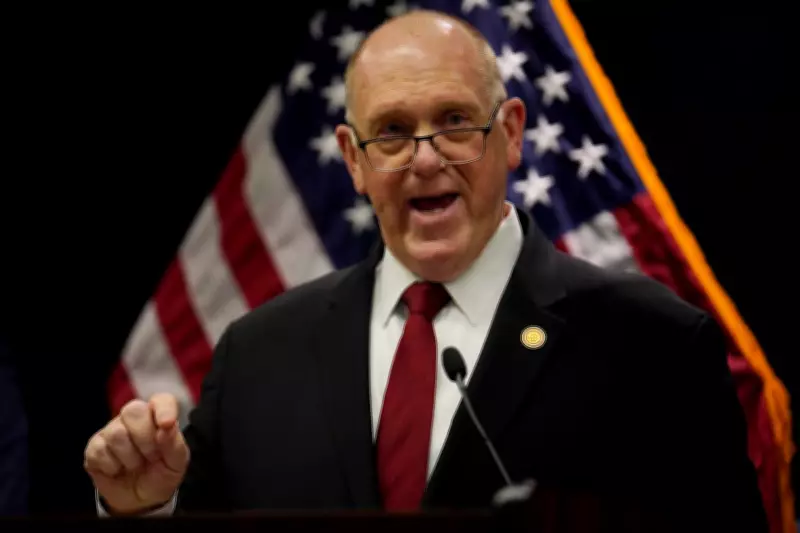
White House border czar Tom Homan has confirmed that a small security force will remain operational in Minnesota despite a broader enforcement drawdown. This announcement was made during a news conference at the Bishop Whipple Federal Building in Minneapolis on Wednesday, February 4, 2026, underscoring the administration's commitment to maintaining border security measures in the region.
Details of the Security Drawdown and Retention
The decision comes as part of a strategic adjustment in border enforcement resources, which involves scaling back certain operations while ensuring that key security elements are preserved. Homan emphasized that the retained force, though reduced in size, will continue to address critical security needs and support local law enforcement efforts in Minnesota.
This move reflects ongoing efforts to balance resource allocation with the persistent challenges of border management. Homan highlighted that the security force's presence aims to deter illegal activities and enhance coordination with state and federal agencies, ensuring a proactive approach to immigration and security issues.

Context and Implications
The announcement follows a period of heightened scrutiny over border policies and their impact on communities across the United States. By maintaining a security presence in Minnesota, the administration seeks to address concerns about potential vulnerabilities while adapting to evolving enforcement strategies.
Homan's statement also points to a broader trend of targeted security measures in response to specific regional needs, rather than a one-size-fits-all approach. This could signal a shift towards more localized and flexible border management practices under current federal guidelines.
Reactions and Future Outlook
Local officials and community leaders in Minnesota are expected to monitor the implementation of this plan closely, assessing its effectiveness in maintaining public safety and compliance with immigration laws. The reduced force may lead to increased reliance on technology and intelligence-sharing to compensate for fewer personnel on the ground.
As border enforcement continues to evolve, such adjustments highlight the complex interplay between national security priorities and operational realities. Homan's announcement serves as a reminder of the ongoing efforts to refine border strategies in response to dynamic challenges and stakeholder feedback.






