

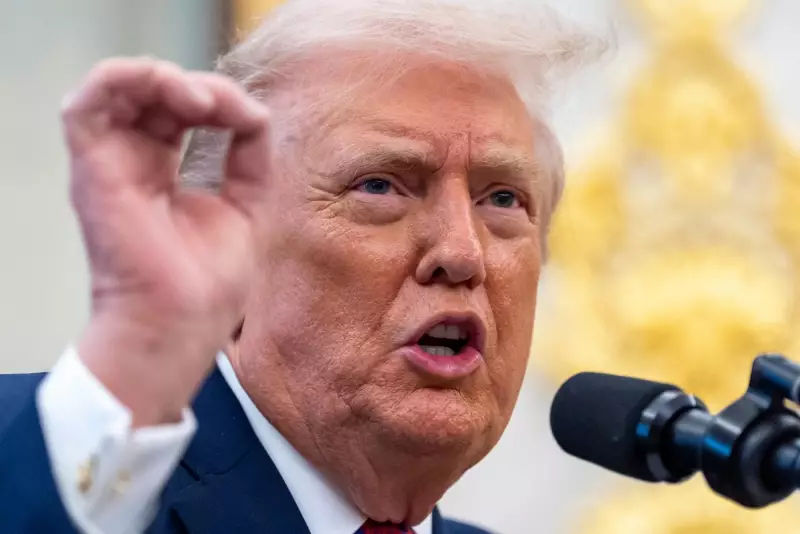
In a significant move on U.S. immigration policy, President Donald Trump has expanded the existing travel ban, adding five new countries to the list and imposing fresh restrictions on several others. The announcement was made on December 16, 2025.
Details of the Expanded Ban
The expansion represents a major update to the controversial policy first instituted during Trump's initial term. While the White House has not immediately released the full official memorandum, reports confirm that five additional countries will now face entry restrictions for certain categories of visas. The administration is also set to impose new limits on other nations, though specific details regarding which countries are affected and the exact nature of the new limitations are still emerging.
The original travel ban, often a source of legal and diplomatic friction, restricted entry for citizens from several predominantly Muslim nations. This latest expansion signals a continued focus on immigration control as a cornerstone of the administration's agenda.

Context and Potential Impact
The announcement comes amid a busy period for the President, who was photographed the previous day, December 15, 2025, during a Mexican Border Defense Medal presentation in the Oval Office. The event underscored his administration's persistent emphasis on border security.
For Canadians, particularly frequent travelers, businesspeople, and those with family ties to the newly listed countries, the policy shift raises immediate questions. It may complicate travel plans, family reunifications, and business exchanges. The development also arrives as Canadian experts have recently warned about various "U.S. travel risks," though those advisories were not directly related to this policy change.
Broader Implications and Reactions
This action is certain to reignite debates over national security, discrimination, and the balance between open borders and sovereign control of immigration. Legal challenges to the expanded ban are widely anticipated, mirroring the protracted court battles that surrounded earlier versions of the policy.
The move may also influence the broader geopolitical landscape, affecting U.S. relations with the targeted nations and their allies. As the details become clearer, Canadian officials and advocacy groups will likely scrutinize the order for its potential impact on binational families and the flow of people across the world's longest undefended border.
With the holiday travel season underway, the update serves as a stark reminder of the volatile nature of international travel regulations and the profound effect political decisions can have on global mobility.






