

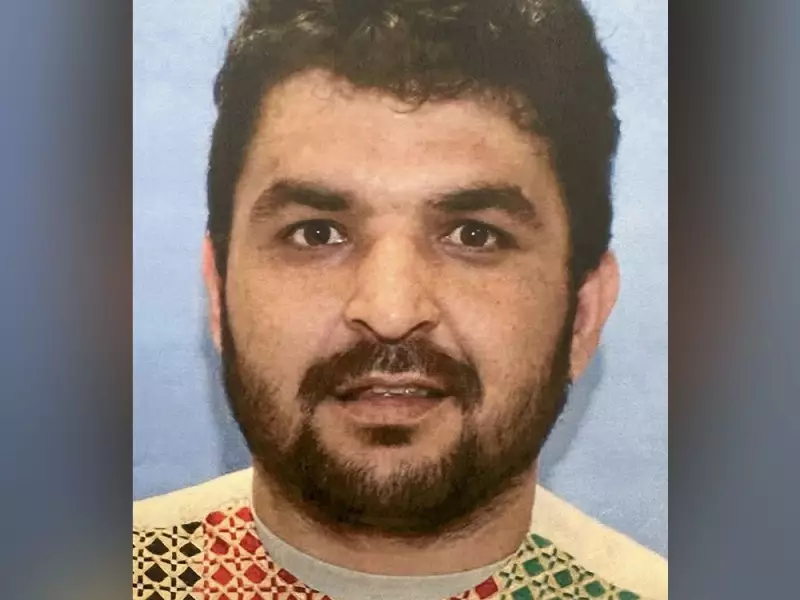
A man suspected of shooting two National Guard members in Washington, D.C., one fatally, has entered a plea of not guilty to federal charges. The case is drawing intense scrutiny to U.S. immigration vetting processes and has become a flashpoint in the national political debate.
Not Guilty Plea from Hospital Bed
Rahmanullah Lakanwal, 29, appeared via video from a hospital for his arraignment on Tuesday, where he denied the charges against him. Federal prosecutors have charged the Afghan national with first-degree murder and assault with intent to kill.
The charges stem from an attack on November 26. According to court documents, surveillance video captured Lakanwal waiting outside a Metro station entrance as members of the National Guard approached. As two soldiers rounded a corner, he allegedly stepped forward, raised his hands in a firing stance, and opened fire.

Details of the Attack and Aftermath
The gunfire immediately struck both Guardsmen. Prosecutors state Lakanwal continued shooting as the victims fell. He then advanced toward a third soldier, who returned fire and subdued him. A supervising soldier reported hearing the assailant shout "Allahu Akbar!" during the burst of gunfire.
The victims were identified as Specialist Sarah Beckstrom, 20, who died from her injuries, and Staff Sergeant Andrew Wolfe, who remains in critical condition. Both were from West Virginia and were part of a high-visibility deployment ordered by former President Donald Trump.
Background and Political Repercussions
Lakanwal's background has intensified the political fallout. He is among the more than 190,000 Afghans admitted to the United States after the fall of Kabul in 2021, most of whom were evacuees who had supported the U.S. war effort.
Former President Trump has seized on the incident, arguing that Afghan evacuees entered the country without proper screening. He described the suspect as having gone "cuckoo" and used the case to advocate for a significant expansion of travel bans. His administration is reportedly preparing a list of roughly 30 countries that could face new immigration restrictions.
The case places renewed focus on the vetting procedures for wartime allies granted refuge in the United States, even as investigators continue to examine the precise motivations behind the violent attack in the nation's capital.






