

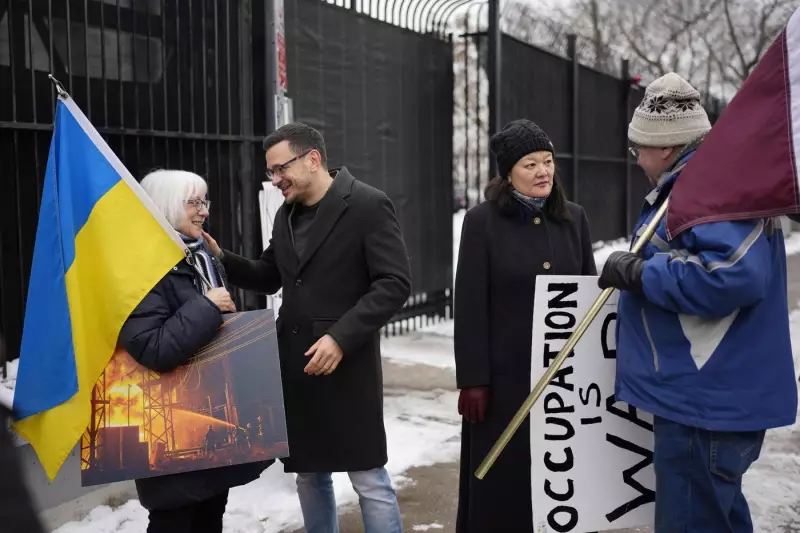
Prominent figures from Russia's opposition movement are making a direct appeal to the Canadian government. They are urging Ottawa to step in and provide a safe haven for their fellow activists who now face the threat of deportation from the United States.
A Direct Appeal from Ottawa's Streets
The call to action comes amidst ongoing demonstrations against the war in Ukraine. On Wednesday, December 3, 2025, former Russian opposition politician Ilya Yashin and Natalia Arno, founder of the Free Russia Foundation, were among those gathered outside the Russian embassy in Ottawa. While protesting the conflict, they highlighted the precarious situation of dissidents in the U.S. whose immigration status is in jeopardy.
These individuals, who fled Russia due to political persecution, now find themselves in legal limbo. With the potential for removal from the United States back to Russia, where they would face almost certain arrest and imprisonment, the dissidents view Canada as a critical lifeline.

The Urgent Need for a Safe Harbour
The request underscores a growing humanitarian and political challenge. Canada has a history of accepting political refugees and has been a vocal critic of the Russian government's actions, both domestically and in Ukraine. The dissidents argue that offering resettlement to their peers aligns with Canada's stated values of supporting human rights and democratic freedoms.
Resettlement in Canada would provide these activists with permanent protection and the ability to continue their advocacy work from a secure base. The alternative—deportation to Russia—carries severe risks, including lengthy prison sentences on politically motivated charges.
Implications for Canadian Immigration Policy
This appeal places a specific and urgent case before Canadian immigration authorities. It tests the government's capacity and willingness to respond swiftly to emerging crises affecting political activists globally. The situation involves navigating complex international legal frameworks while upholding Canada's commitment to being a refuge for the persecuted.
The outcome of this request could set a precedent for how Canada handles similar cases involving at-risk dissidents and activists from authoritarian states in the future. It represents a tangible opportunity for Canadian foreign and immigration policy to directly protect individuals who have fought for democratic principles.
As of December 6, 2025, the Canadian government has not issued a public response to the direct appeal made by Yashin, Arno, and their colleagues during the Ottawa protest. The world watches to see if Canada will open its doors.






