

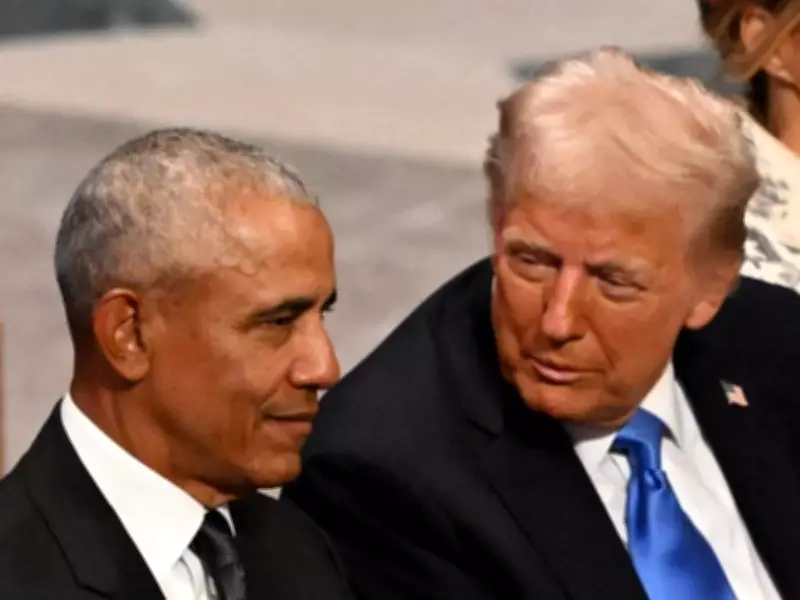
Examining Deportation Claims: Obama and Trump Administrations Compared
The debate over which U.S. administration handled illegal immigration more "humanely" continues to spark controversy, with media coverage playing a significant role in shaping public perception. A detailed examination of enforcement practices under Presidents Barack Obama and Donald Trump reveals complex realities behind political rhetoric.
Claims and Counterclaims About Enforcement Methods
Those who argue that Obama's approach was more compassionate typically make several assertions. They claim Immigration and Customs Enforcement (ICE) didn't conduct street operations during his presidency, that there were fewer activists protesting deportations, and that enforcement primarily targeted individuals with criminal records beyond immigration violations. Additional arguments suggest Obama's deportation numbers included many "returns" at the border rather than interior removals, that his administration avoided "lawlessness," and that arrests typically followed judicial warrants.
However, evidence contradicts several of these assumptions. Under Obama, ICE did conduct street operations, including in sanctuary cities like Chicago. A 2011 PBS Frontline episode documented cases where minor traffic violations led to deportations. Furthermore, sanctuary policies emerged partly in response to Obama-era programs like Secure Communities, which facilitated cooperation between local and federal authorities.

Statistical Comparisons and Media Narratives
Examining deportation statistics reveals nuanced differences between administrations. During Trump's presidency, approximately 66-70% of arrests involved individuals with criminal convictions or pending charges. Under Obama in 2016, those with criminal records comprised nearly 60% of deportations. While Obama's total removals exceeded 5 million when including border returns, Trump's enforcement faced different operational challenges and media scrutiny.
The media's divergent coverage of the two administrations significantly influenced public perception. With generally favorable treatment of Obama, his enforcement actions received less critical attention. Meanwhile, Trump's policies faced intense scrutiny and activist opposition, despite statistical similarities in some enforcement aspects.
Legal Procedures and Error Rates
Judicial oversight varied considerably between administrations. During Obama's presidency, 74% of removals on average occurred without immigration judge hearings. Under Trump, error rates in ICE arrests were remarkably low at 0.0067%, though critics highlighted individual cases of mistaken detentions.
This analysis demonstrates how administrative approaches to immigration enforcement involve complex trade-offs between security concerns and humanitarian considerations. The stark contrast in media coverage between the two presidencies underscores how political narratives can shape public understanding of policy implementation.






