

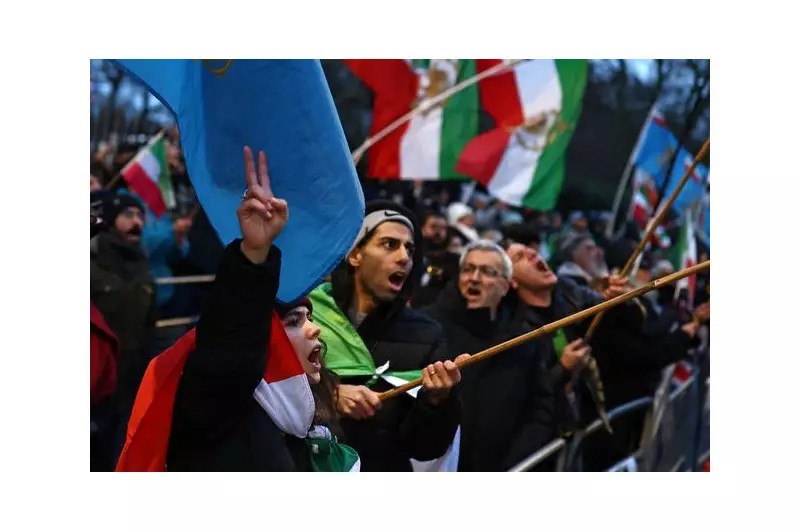
Fear and anxiety grip Iranian communities across Canada as a complete communications shutdown in Iran leaves them unable to contact family members for a second consecutive day. The blackout, imposed by the regime, coincides with massive new protests calling for the overthrow of the country's leadership.
Total Blackout Sparks Fear in Diaspora
Since Thursday night, telephone and internet access has been severed across Iran, creating an information vacuum and preventing the diaspora from checking on the safety of relatives. Many believe their family members are participating in the dangerous street demonstrations.
"Since last night, no one's been able to speak to their families," said Kaveh Shahrooz, a lawyer and senior fellow with the Macdonald-Laurier Institute, on Friday, January 9, 2026. "A lot of people know their families are out in the streets, and they're in great danger."

Exiled Prince's Call Ignites Historic Protests
The regime's drastic move followed a public call to action from Iran's exiled Crown Prince Reza Pahlavi. The son of the last Shah, who fled in 1979, urged Iranians to launch mass demonstrations against the ruling theocracy.
Heeding his call, thousands flooded the streets on Thursday night, demanding the removal of Supreme Leader Ali Khamenei. The protests represent a continued historic revolt against the Islamic Republic's authority.
On Friday morning, Pahlavi took to social media platform X to appeal directly to U.S. President Donald Trump for intervention. "Last night you saw the millions of brave Iranians in the streets facing down live bullets," he wrote. "Today, they are facing not just bullets but a total communications blackout."
International Pressure and Regime Crackdown
Pahlavi credited Trump's previous threats against the regime for potentially moderating the severity of the crackdown. Trump had warned Iran in a radio interview on Thursday, stating, "I have let them know that if they start killing people, which they tend to do during their riots, we're going to hit them very hard."
Shahrooz suggested the regime is acting with more caution than in past uprisings, possibly due to Trump's reputation for action. "They were well aware of Trump's actions in Venezuela — they were concerned he may carry out something similar in Iran," he noted.
Despite this, the regime's response has been violent. Official reports indicate the unrest has resulted in 42 deaths and the detention of 2,270 people. In a televised address Friday, Khamenei blamed the uprising on foreign agitators from the United States and Israel, vowing not to yield.
For Iranian-Canadians, the silence from home is deafening. The blackout transforms their worry into a desperate vigil, awaiting any fragment of news about the safety and fate of their families caught in the turmoil of a nation demanding change.






