

Conservatives Launch Motion to Restrict Health Benefits for Failed Asylum Seekers
Conservative MPs have introduced a parliamentary motion aimed at significantly restricting healthcare benefits for rejected refugee claimants, labeling a federal health program as a "massive boondoggle" that has seen costs explode in recent years.
Program Costs Balloon from $226 Million to $1 Billion
The Interim Federal Health Program (IFHP), which provides health coverage to asylum claimants, has experienced dramatic cost increases according to recent reports. The Parliamentary Budget Officer revealed that program expenses have surged from $226 million in 2019 to $1 billion in 2025, with projections indicating costs could reach $1.5 billion by 2030.
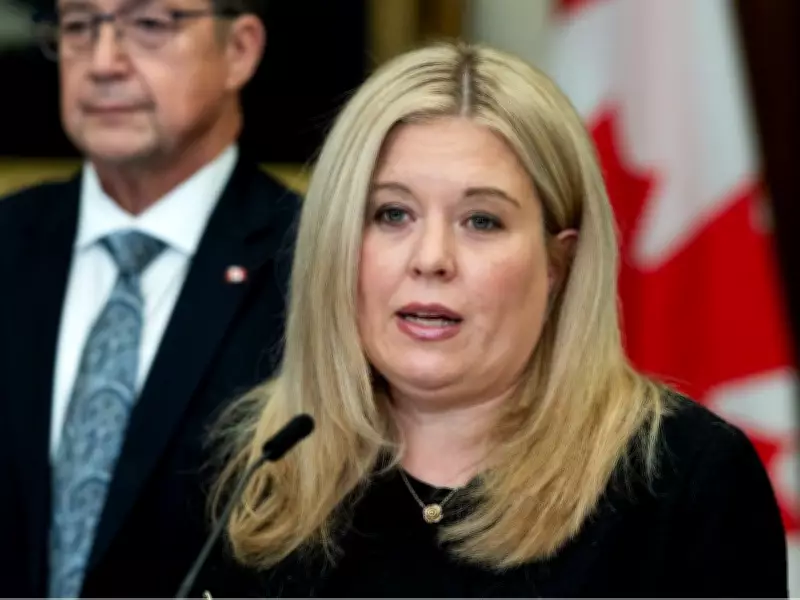
Conservative Immigration Critic Michelle Rempel Garner, who tabled the motion in Parliament, criticized what she described as program expansion beyond its original intent. "Under the Liberals, the IFHP has morphed well beyond its initial purpose of providing care to legitimate refugees fleeing war zones into a massive boondoggle that provides care to bogus asylum claimants," Rempel Garner stated during a press conference on Parliament Hill.

Growing Number of Beneficiaries and Comprehensive Coverage
The PBO report also projects that the number of beneficiaries will continue growing substantially, reaching over 680,000 eligible recipients by the 2029-30 fiscal year. The program offers both basic and supplemental healthcare coverage to asylum seekers.
Basic coverage includes:
- Hospital services and physician consultations
- Services from registered nurses and licensed healthcare professionals
- Ambulance transportation
- Laboratory and diagnostic services including blood tests and ultrasounds
Supplemental coverage provides:
- Psychological services and therapy from occupational and physiotherapists
- Assistive devices such as prosthetics, mobility aids, and hearing aids
- Home care and long-term care services
- Urgent dental care and limited vision care
- Medical supplies, equipment, and prescription drug coverage
Conservative Motion Demands Program Review and Restrictions
The Conservative motion calls for multiple actions from the federal government, including a comprehensive program review to identify taxpayer savings. The proposal specifically seeks to restrict federal benefits for rejected asylum claimants to emergency life-saving healthcare only.
Additional demands include requiring annual parliamentary reports on IFHP operations and implementing policies to immediately expel foreign nationals convicted of serious crimes in Canada. Rempel Garner expressed skepticism about the government's ability to manage program costs effectively, citing previous difficulties with pandemic benefit fraud recovery.
"It's hard to believe a government that has failed to scrape back fraudulent COVID-19 pandemic benefits are expecting failed refugees on deportation orders, many of whom derive their income from social welfare, to pay back the costs of the IFHP," she remarked.
Government Defends Program Amid Constitutional Obligations
Immigration Minister Lena Diab defended the program, noting that her government has introduced a co-pay model specifically for supplementary coverage in the federal budget. She emphasized Canada's ongoing commitment to constitutional, humanitarian, and international obligations as a signatory to the United Nations convention on refugees.
"We want to still protect those refugees and those people that are claiming the help and need from Canada that legitimately deserves to be protected, including the children," Diab told reporters. "We will continue to do that."
Rempel Garner countered that even with proposed changes, Canadian taxpayers would still bear significant financial burdens. "The Liberals are proposing to set up a costly bureaucracy that would still force Canadian taxpayers to foot the bill for 70 percent of the premium healthcare costs that failed asylum claimants incur," she argued.
The debate highlights growing political tensions over immigration policy and healthcare spending as program costs continue their upward trajectory, with projections indicating no near-term relief for taxpayers funding the expanding benefits system.






