

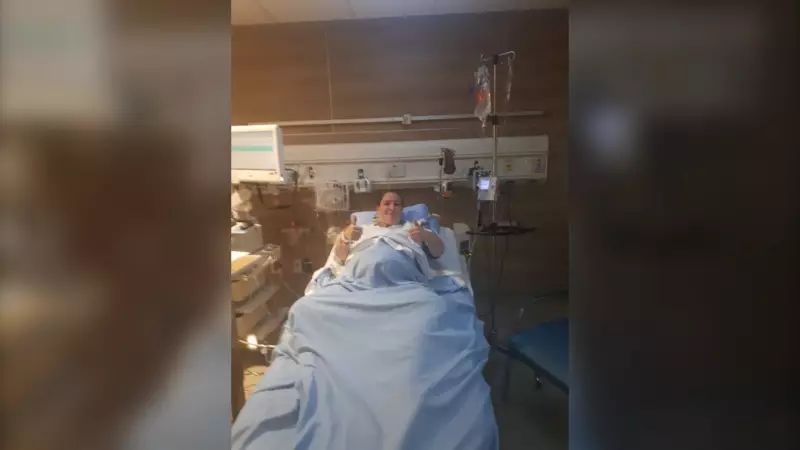
A Canadian woman acting as a surrogate mother was refused entry into the United States while traveling for a scheduled medical fertility procedure, an incident that has ignited a debate over border policies and reproductive rights.
Border Incident Halts Family Planning Journey
The incident occurred on December 06, 2025, as the woman, whose identity has not been publicly disclosed, attempted to cross into the U.S. Her travel was for a planned medical appointment related to the surrogacy process. U.S. Customs and Border Protection officials denied her entry, effectively halting the carefully coordinated medical journey.
"Trying to have a family isn’t a criminal offence," the woman stated, capturing the frustration and emotional distress caused by the decision. The refusal has left the intended parents and the surrogate in a state of limbo, facing significant logistical, financial, and emotional complications.

Legal and Ethical Questions at the Border
This case highlights the complex intersection of international travel, medical necessity, and family law. While U.S. officials have broad discretion at ports of entry, the denial of entry for a person participating in a legal medical procedure like gestational surrogacy raises pressing questions.
Experts suggest border agents may have had concerns about the woman's intent to return to Canada or her potential need for medical care in the U.S., despite such trips being common and planned with legal contracts. The event underscores a lack of clear guidelines for individuals traveling for assisted reproductive technologies, which involve sensitive timelines and significant financial commitments.
Broader Implications for Cross-Border Families
The denial sets a concerning precedent for Canadians involved in cross-border surrogacy arrangements, which are not uncommon due to specialized fertility clinics located in the United States. It introduces a new layer of risk and uncertainty for families already navigating a challenging emotional and legal landscape.
Advocates for reproductive rights and immigration lawyers are closely watching the fallout. They argue that clearer protocols and training are needed for border officials to handle such sensitive cases, balancing security concerns with the recognition of legitimate medical travel. The incident may prompt calls for bilateral discussions between Canada and the U.S. to ensure family planning journeys are not unnecessarily disrupted by border enforcement actions.
As the affected parties regroup and explore their options, this case serves as a stark reminder of the unforeseen hurdles that can arise in the deeply personal journey of building a family across international lines.






