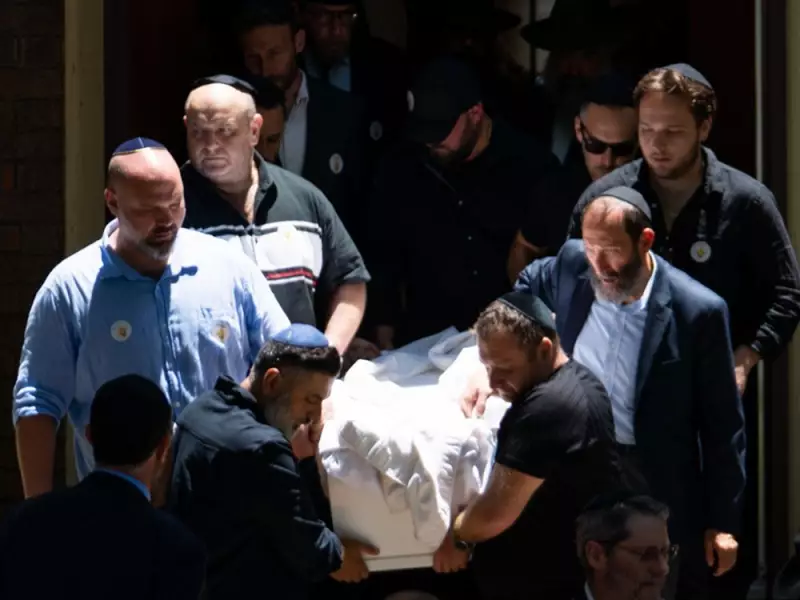
The horrific mass shooting at Bondi Beach in Sydney during Hanukkah has sent shockwaves far beyond Australia, striking a resonant chord with Canadian observers. For many, the tragedy represents a chilling near-miss for Canada, which is grappling with a similar post-October 7th surge in antisemitism. The event has forcefully pushed the often-avoided debate about immigration, security, and social cohesion to the forefront of national discourse.
A Mirror to Canada's Own Challenges
Analysts note that the forensic trail leading to the Bondi Beach attack could easily have been laid in Canada. The factors cited include political calculations for votes, a concerning tolerance for criminal activity targeting Jewish communities, and the widespread demonization of Israel in influential political and cultural spheres. The stark question now facing Canada is what concrete steps can be taken to prevent a similar atrocity on its own soil.
Confronting Hard Truths and Removing Taboos
The first step, according to commentators like Barbara Kay, is to take radical Islamist rhetoric at face value. This includes acknowledging statements from groups like Hamas that frame violence against Jews as a religious duty, and recognizing slogans like "Globalize the Intifada" as direct incitement. There are calls for the prosecution, imprisonment, or deportation of individuals who preach such violent ideologies.

Secondly, there is a growing demand to dismantle the "cone of heresy" surrounding discussions on multiculturalism and immigration. Following the Australian massacre, former Prime Minister Tony Abbott stated publicly that some interpretations of Islam are incompatible with liberal, democratic societies—a statement made without catastrophic backlash. This underscores a shift toward accepting that fear of radically antisemitic jihadists is a rational concern, not mere bigotry.
Echoing this sentiment, former Alberta premier and federal immigration minister Jason Kenney recently emphasized the critical, yet difficult, importance of discussing social cohesion in immigration policy. He argued that while it is hard to measure, it is a subject the country can no longer afford to ignore for the sake of mental comfort.
Legal Advocacy for Secure Immigration Protocols
Organizations like Lawyers for Secure Immigration (L4SI) are at the forefront of advocating for stricter national security measures within Canada's immigration system. This non-partisan group of seasoned immigration lawyers supports safe and orderly immigration but seeks to tighten what they see as porous protocols.
L4SI has published a roster of recommendations aimed at strengthening background checks and security vetting. Their concerns have been particularly heightened by the federal government's program to bring Gazans to Canada. The organization has called for "immediate government action" amid reports that alleged Hamas operatives may be present in the country.
Their specific worry regarding the Gazan initiative is that individuals arriving as temporary residents—many of whom may ultimately stay—are not undergoing sufficiently rigorous security screening. Given that Gaza is governed by Hamas and hosts other terrorist entities like the Al-Aqsa Martyrs’ Brigades and Palestinian Islamic Jihad, L4SI advocates for a halt to further entry from the region until robust checks are assured.
The fundamental question raised is: how many individuals from Gaza would be deemed inadmissible if Canada's existing immigration provisions related to terrorism and criminality were applied with full rigour? The Bondi Beach attack has made answering this question not just a matter of policy, but an urgent imperative for public safety and national cohesion.