

Healthcare Plan Sparks Controversy Over Economic Priorities
More than a century ago, President Calvin Coolidge famously declared, "The chief business of the American people is business." This philosophy appears to be the driving force behind the Trump administration's recently unveiled Great Healthcare Plan, according to analysis of public statements.
Dr. Oz's Dystopian Vision for Healthcare
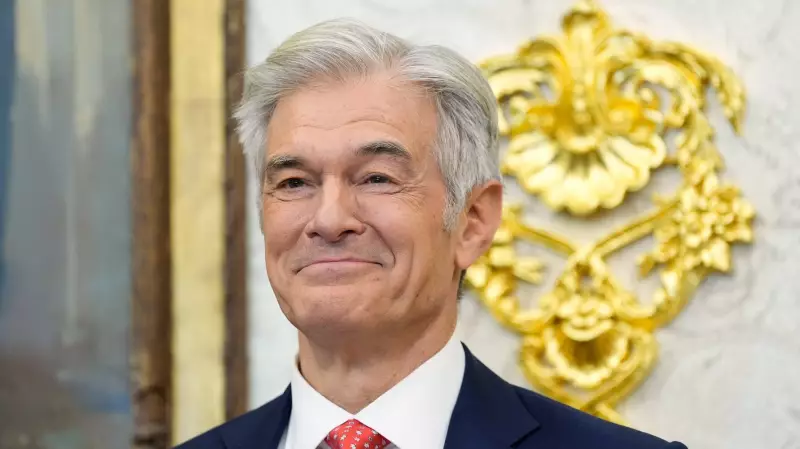
Mehmet Oz, the administrator for the Centers for Medicare & Medicaid Services, described the plan's objectives during a Fox News interview on Wednesday, presenting what many are calling a dystopian perspective on healthcare. While most citizens might expect a healthcare plan to prioritize wellness so people can pursue "life, liberty and the pursuit of happiness," as outlined in the Declaration of Independence, Oz suggested a different focus.
The former television personality explained to Maria Bartiromo that the president's plan aims to enable American businesses to extract maximum productivity from workers throughout their lifetimes. "If we can get the average person to work one more year in their whole lifetime — just stay in your workplace for one more year — that is worth about $3 trillion to the U.S. GDP. That's the productivity we would unleash. If you're sick, you can't work," Oz stated during the interview.

Public Backlash and Social Media Response
Given that Trump's healthcare proposal has already faced criticism for lacking specific details, many social media users expressed strong disagreement with Oz's suggestion that healthcare should primarily serve to keep people working for corporate interests.
The public response has been overwhelmingly critical:
- David Neal questioned the motivation behind the plan: "You want me healthier so you get one more year of work out of me instead of just because good health is better and cheaper for me?"
- Dan Kanninen described Oz's vision as creating a future where people become "batteries for capital."
- Brian Goldstone highlighted the reality for many older workers, mentioning a 71-year-old widow working two jobs while living in extended-stay housing.
- Mike Young noted that economic growth promises consistently demand "more sacrifice from people who already did their part."
Broader Criticisms and Alternative Perspectives
Several commentators proposed different approaches to economic and healthcare challenges:
- Bluedog suggested that taxing billionaires fairly would eliminate the need for extended work years.
- Mike Rhone emphasized that GDP considerations wouldn't factor into personal retirement decisions.
- Bonnie Swims raised concerns about age discrimination in hiring practices alongside potential changes to Social Security and Medicare.
- Ross Elder criticized the notion of working until death as patriotic.
- Rosanna2323 pointed to shorter lifespans for working-class Americans compared to the wealthy.
Oz's History of Controversial Statements
This isn't the first time Oz has made statements that appear disconnected from mainstream medical consensus or public sentiment. His career includes several notable controversies:
- Promotion of questionable treatments during his television career
- Claims about Trump having "the highest testosterone level" among people over 70
- Suggesting Americans could reduce healthcare costs by simply "getting healthier"
- Advising Medicare beneficiaries to "eat less cake" to adapt to potential benefit changes
- Controversial comments during COVID-19 about school reopenings affecting mortality rates
The healthcare debate continues to evolve as the administration faces mounting criticism for prioritizing economic metrics over individual wellbeing in its policy approach.






