Robyn Chan argues that governments at all levels are failing to implement housing policies that ensure long-term affordability. In a recent opinion piece, she highlights that Ottawa, British Columbia, and Vancouver are prioritizing market-rate housing over the non-market options that are critically needed.
Market housing initiatives fall short
Ottawa recently partnered with the province to acquire 2,200 unsold condos. Housing Minister Gregor Robertson called it a “creative pathway” to home ownership through a rent-to-own program, but details remain scarce. Meanwhile, Vancouver quietly eliminated affordable housing requirements for new six-storey rental buildings in some areas, citing rising construction and financing costs. Chan notes that these initiatives are narrow and focus on market housing that cannot guarantee affordability beyond the initial buyer or renter, as they lack restrictions on future selling prices and do not mandate non-profit operation.
Non-market housing: the key to lasting affordability
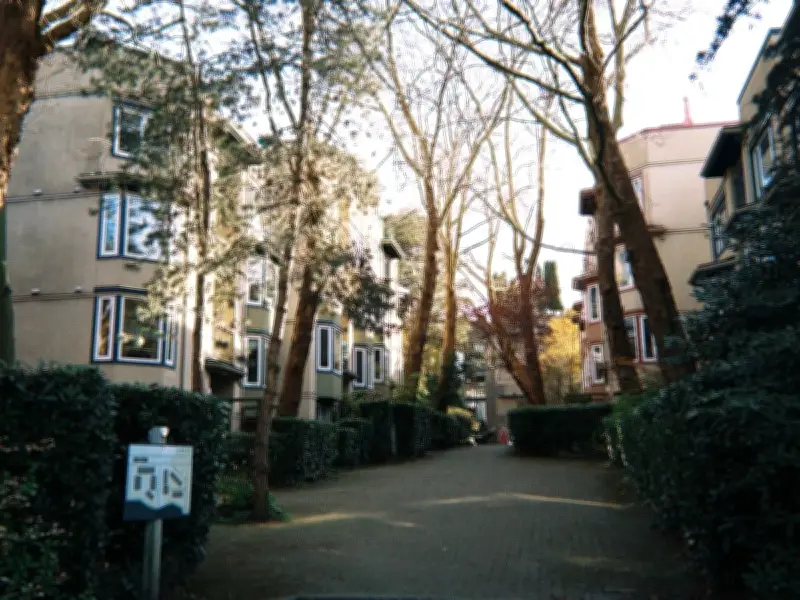
Chan emphasizes that non-market housing, such as co-ops, becomes more affordable over time. For example, in False Creek South, a 50-year-old wood-frame co-op received 750 applications in four days for its units. Households there pay up to $1,500 per month for a two-bedroom home, roughly half the rate of newly built co-ops and a third of the average Vancouver rental. This underscores the urgency of retaining existing affordable housing.

Renters struggle amid low vacancies
Seventy per cent of renters in Metro Vancouver cannot afford the average rent for purpose-built rentals, nor can they afford a down payment or mortgage. For the lowest-income quartile, vacancy rates are just 0.5 per cent, as higher rates (like the 3.7 per cent touted by the province) are concentrated in expensive units. While the province notes a $330 monthly drop in asking rents over three years, it also cancelled its affordable community housing fund earlier this year, eliminating $775 million in funding and leaving community developers out of pocket.
Retaining older housing is critical
Chan argues that the cheapest housing is already built. The province previously bought older apartment complexes through a rental protection fund, but total investment in that program was six times less than the $3 billion in loans for the condo conversion program. She calls for governments to pay close attention to what types and tenures of housing are truly in demand and to acknowledge that the housing market has changed.