Gaza Ceasefire's Fragile State: Why Conflict Persists Months After Truce
Months have passed since a ceasefire was declared in the Gaza Strip, yet the sounds of conflict have not been silenced. The persistent fighting between Israel and Hamas forces raises critical questions about why peace remains elusive despite diplomatic efforts to halt the violence.
The Ceasefire That Never Fully Took Hold
While official announcements marked the beginning of a ceasefire period, the reality on the ground has been markedly different. Sporadic exchanges of fire, targeted strikes, and ongoing tensions have characterized what was supposed to be a period of calm. The ceasefire, rather than creating lasting peace, appears to have established only a temporary reduction in large-scale hostilities.
Underlying Issues Fueling Continued Conflict
Several fundamental factors contribute to the ongoing violence:

- Unresolved Political Disputes: Core issues including borders, security arrangements, and the status of Jerusalem remain contentious without comprehensive agreements.
- Humanitarian Concerns: The dire situation in Gaza, with limited access to essential resources and reconstruction challenges, creates ongoing tensions.
- Security Incidents: Isolated attacks and responses continue to escalate, undermining trust between the parties involved.
- Internal Political Dynamics: Both Israeli and Palestinian political landscapes feature factions with differing approaches to the conflict, complicating unified positions.
The Human Cost of Unresolved Conflict
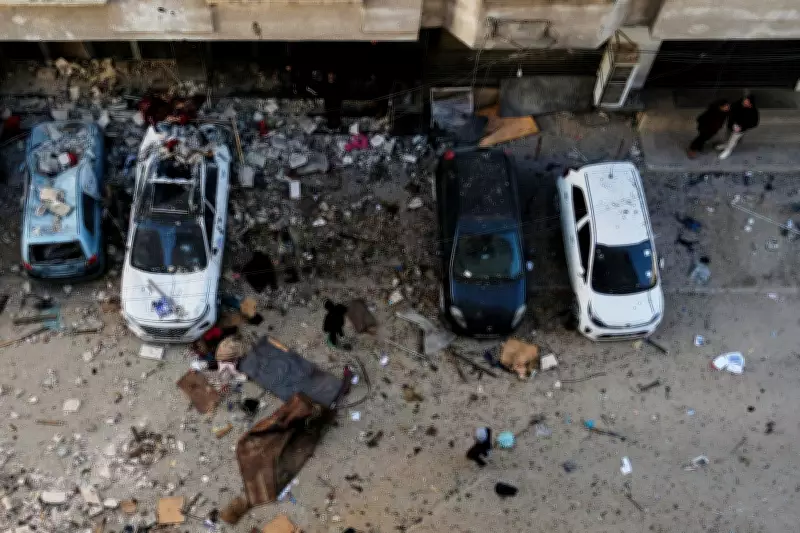
The continuation of violence months after the supposed ceasefire began has taken a significant human toll. Palestinian families in Gaza City and surrounding areas continue to face the devastating consequences of military actions, with damage to infrastructure and loss of life persisting despite international calls for peace. The psychological impact on civilians living under constant threat cannot be overstated, creating generational trauma that further complicates resolution efforts.
International Response and Diplomatic Challenges
The international community has struggled to maintain momentum for a lasting peace agreement. While various nations and organizations have called for restraint and renewed negotiations, translating these calls into concrete actions has proven difficult. The complexity of the conflict, with its deep historical roots and multiple stakeholders, resists simple diplomatic solutions.
The situation highlights how ceasefires, while potentially reducing immediate violence, cannot substitute for comprehensive political agreements addressing the root causes of conflict. Without addressing fundamental grievances and establishing sustainable security arrangements, temporary truces remain vulnerable to breakdown.
Looking Forward: Prospects for Lasting Peace
The persistence of fighting months after the ceasefire began suggests that current approaches may need reevaluation. Sustainable peace likely requires more than temporary halts in violence—it demands addressing the structural and political issues that fuel the conflict. As the situation continues to evolve, the international community watches closely, hoping for breakthroughs that might finally bring enduring stability to a region long plagued by violence.