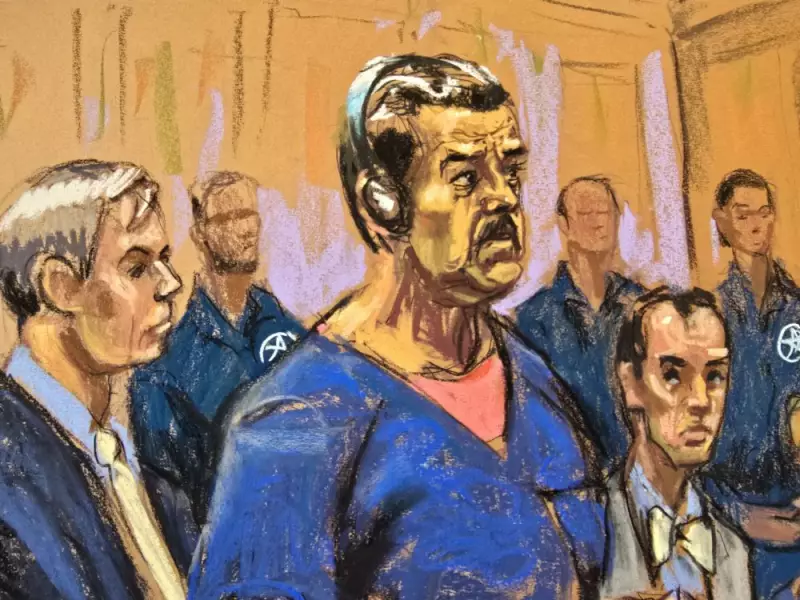
In the early hours of January 3, a wave of digital messages flooded the phone of Rodrigo Madriz, a Venezuelan-born Canadian citizen. His WhatsApp buzzed incessantly with videos and reports from Caracas and beyond, painting a chaotic picture. Confusion turned to profound elation as the news solidified: Nicolás Maduro had been taken into U.S. custody.
A Dream Decades in the Making
For millions of Venezuelans, this was the moment they had longed for since their national nightmare began under Hugo Chávez, an era that started when Bill Clinton was still in the White House. Madriz, who now calls Canada home, watched from afar as foreign powers relied on sanctions that failed to produce meaningful change, lacking the decisive action that has now, allegedly, been taken.
Madriz's personal journey mirrors the plight of many. Born into a lower-middle-class family in Venezuela, he earned an engineering degree before his life took a pivotal turn. A World Bank-sponsored graduate fellowship brought him to the United States, where he pursued a master's degree at the University of Colorado Boulder.

It was during this program that Hugo Chávez won his first election. Knowing Chávez's history—including two failed coup attempts in 1992—Madriz delayed his return, correctly predicting a deterioration under his rule. Visa constraints forced him to seek a new destination after his studies, leading him to a graduate fellowship at the University of Toronto, a path that ultimately granted him permanent residency and Canadian citizenship.
Seven Essential Truths for a Serious Discussion
Drawing from his firsthand experience of an era marked by assassinations, disappearances, and political persecution, Madriz outlines seven critical points to frame any discussion of the recent seismic events.
1. He is not 'President Maduro.' Any shred of legitimacy to that title evaporated in July 2024, according to Madriz. That is when Maduro lost a sham election to opposition candidate Edmundo González. A Washington Post investigation, citing official electoral records, found González won approximately 67% of the vote. Maduro rejected the result, ordered González's arrest, and forced the victor into exile.
2. Maduro headed a criminal enterprise, not a government. He is alleged to have led a sophisticated, well-financed international criminal organization. This structure is deeply embedded with networks aligned with extremist leadership in nations like Iran, Cuba, China, and Russia. Maduro's singular goal, Madriz asserts, was to retain and expand his power at any cost, using oil as bribes in economically fragile countries and even accused of financing friendly political parties abroad, particularly in Spain.
The Path Forward for Venezuela
The core message from Madriz is one of self-determination. He argues that the Venezuelan people will not be truly free until they are given the unencumbered power to decide their own fate. The arrest of Maduro, while a monumental event for those who suffered under his regime, is just one step on a long road. For the Venezuelan diaspora in Canada and around the world, hope is now tempered with a cautious realism, knowing that the foundation for a legitimate democratic future must be built by the people themselves, free from the shadow of criminal tyranny.