U.S. and Israel Show Diverging Views on Iran War Duration and Goals
Ten days after launching coordinated attacks against Iran, the United States and Israel have begun to publicly diverge in their approach to the ongoing conflict. U.S. President Donald Trump is facing significant political pressure to conclude military operations swiftly, while Israel maintains its commitment to a longer-term strategy aimed at permanently weakening Iran.
Public Opinion Divide and Political Pressure
The allies face a stark divide in how their respective publics view the war. While most Israelis enthusiastically support the offensive against Iran, less than half of Americans favor continued military engagement. This disparity in public sentiment has created political challenges for the Trump administration, particularly with rising oil prices serving as a warning sign in U.S. domestic politics.
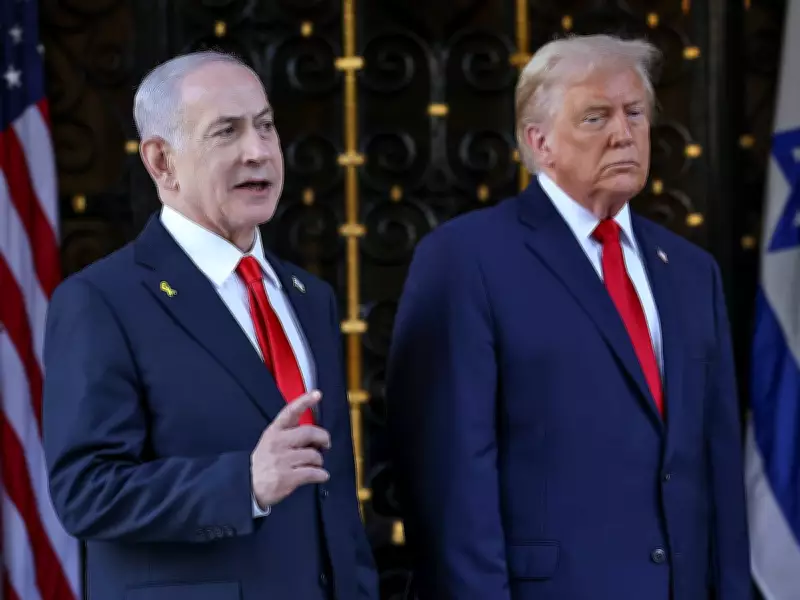
On Monday, President Trump told CBS News that the war was "pretty much" over, despite his earlier vows with Israeli Prime Minister Benjamin Netanyahu to pursue weeks if not months of attacks. When later asked by reporters if he thought the conflict could end in days or weeks, Trump responded, "I think soon. Very soon."

Strategic Differences in Objectives
Michael Singh, managing director of the Washington Institute for Near East Policy and former top White House advisor on the Middle East under President George W. Bush, explained that while U.S. and Israeli goals are mostly similar, they are not identical.
"Israel wants Iran to be permanently weakened," Singh stated, noting that Israel has pursued this strategy across the region, including repeated bombings of historic adversary Syria despite governmental changes there.
Singh added, "The U.S. may not have as much of an appetite for a long conflict, especially because we have priorities in other theatres that Israel obviously doesn't have, and we can pack up and go home whereas Israel can't."
Concerns Over Civilian Impact and Target Selection
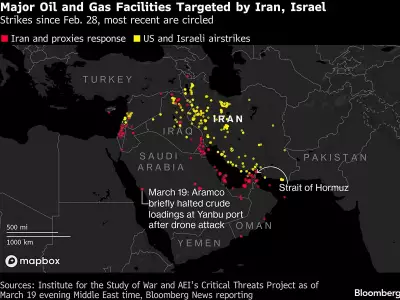
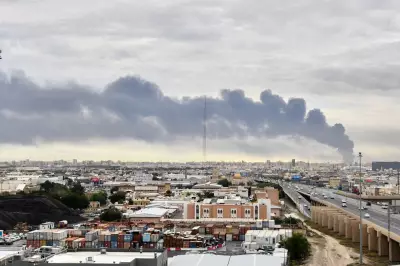
U.S. officials have voiced unease following Israeli attacks on fuel depots around Tehran, which created apocalyptic scenes for the city's 10 million residents. Tehran residents woke up Sunday to black smoke blocking out the sun and choking the atmosphere.
Even Senator Lindsey Graham, a hawkish Republican ally of Trump who has urged war on Iran for years, called on Israel to "please be cautious about what targets you select." Graham emphasized on social media platform X that "Our goal is to liberate the Iranian people in a fashion that does not cripple their chance to start a new and better life when this regime collapses."
Contrasting Approaches to Regime Change
Both Netanyahu and Trump have spoken favorably of Iranians overthrowing the Islamic republic, which faces widespread opposition and ruthlessly suppressed protests in January. However, neither leader has made regime change an explicit goal of military operations.
Trump, who for years denounced U.S. interventionism in the Middle East as wasteful and misguided, has offered different explanations for attacking the country of 90 million people, mostly focusing on degrading Iran's military capabilities.
The divergence in U.S. and Israeli positions became particularly evident when Secretary of State Marco Rubio raised eyebrows by telling reporters that the "imminent threat" faced by the United States—a key legal threshold as Congress constitutionally has power to declare war—was that Israel had already decided to attack Iran, which would have then retaliated against U.S. forces.
Regional Implications and Future Prospects
The emerging differences between the two allies come at a critical juncture in Middle East geopolitics. While Israel seeks to capitalize on military momentum to achieve lasting strategic advantages against Iran, the United States appears increasingly focused on minimizing domestic political fallout and economic disruption from prolonged conflict.

This divergence raises important questions about the future coordination between the two nations and the ultimate objectives of military operations against Iran. As the conflict continues to evolve, the gap between American and Israeli priorities may widen further, potentially affecting the strategic outcome of military engagements and the broader stability of the region.