Trump's Semantic Strategy to Evade Congressional War Authorization
In a revealing moment at a Republican fundraising dinner, former President Donald Trump explicitly outlined his approach to avoiding the term "war" when describing U.S. military actions against Iran. This admission has ignited significant controversy and legal scrutiny regarding presidential authority and constitutional obligations.
A Calculated Choice of Words
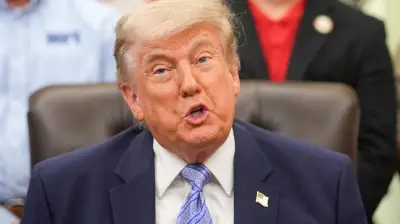
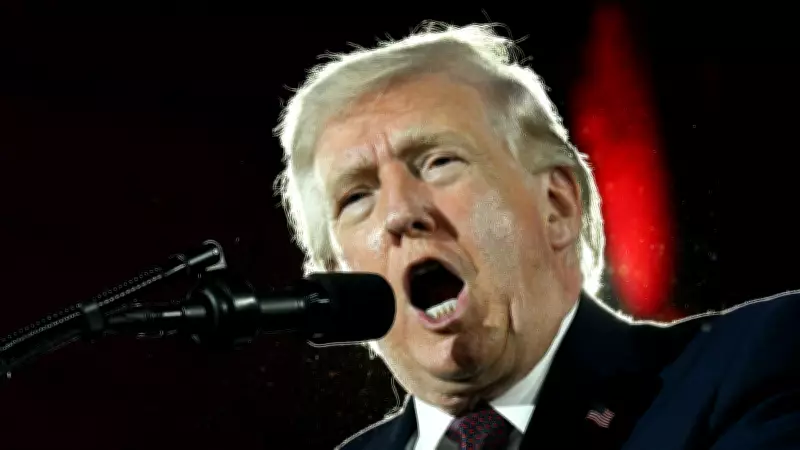
"I won't use the word 'war' because they say if you use the word 'war,' that's maybe not a good thing to do," Trump stated on Wednesday. He elaborated further, noting, "They don't like the word 'war' because you're supposed to get approval. So, I'll use the word 'military operation,' which is really what it is. It's called a military decimation."
This deliberate linguistic maneuvering represents a transparent attempt to circumvent the War Powers Resolution of 1973 and constitutional requirements that mandate congressional authorization for sustained military engagements. Legal experts and observers immediately recognized the implications of Trump's statements.

Immediate Backlash and Criticism
The response to Trump's comments was swift and critical across social media platforms and political circles. Many viewers interpreted his words as a direct confession of avoiding legal requirements through semantic games.
Key reactions included:
- "He's literally telling on himself," one observer wrote on X, highlighting the self-incriminating nature of the admission.
- "Openly admitting to breaking the law and no one will do anything," another commenter added, expressing frustration with perceived accountability gaps.
- Legal analysts noted that Trump had essentially "described the War Powers Resolution in real time and explained why he's working around it."
Additional critical responses emphasized concerns about constitutional violations, with one commenter stating, "This is a man publicly shitting on the constitution. The president, no less," while others described the approach as "skirting the law and the rules, as usual."
Political Context and Congressional Action
The timing of Trump's comments coincided with significant legislative developments. On the same Wednesday, the Republican-majority Senate defeated a Democratic resolution that sought to halt the ongoing military offensive against Iran until proper congressional authorization was obtained.
Republican lawmakers have defended the administration's actions, arguing that multiple classified briefings with Congress satisfy consultation requirements under existing war powers frameworks. According to reports from The New York Times, many Republicans maintain that these briefings fulfill the necessary congressional engagement mandates.
Historical Context and Inconsistency
Trump's current semantic strategy represents a notable shift from his previous rhetoric. The former president has previously used the term "war" to describe U.S. military actions, making his Wednesday comments particularly striking. This inconsistency underscores the calculated nature of his linguistic choices when discussing military engagements.
Broader Implications for Presidential Power
The controversy raises fundamental questions about executive authority and constitutional checks and balances. Critics argue that Trump's approach represents a dangerous precedent that could allow future presidents to engage in sustained military conflicts without proper congressional oversight simply by avoiding specific terminology.
As one commenter summarized, "Trump's so evil he believes he can start a costly war without obtaining Congressional approval or explaining his rationale to the American people by simply not saying the word 'war' out loud." This perspective highlights concerns about accountability, transparency, and the proper functioning of democratic institutions in matters of war and peace.