U.S. Announces $6 Million in Aid for Cuba Amidst Energy Blockade Dispute
The United States has announced a humanitarian aid package of $6 million for Cuba, a move that comes as the island nation's leader publicly accuses Washington of imposing what he terms an 'energy blockade'. This development highlights the ongoing and complex diplomatic tensions between the two neighboring countries, set against a backdrop of severe energy shortages affecting daily life in Cuba.
Humanitarian Assistance Amidst Accusations
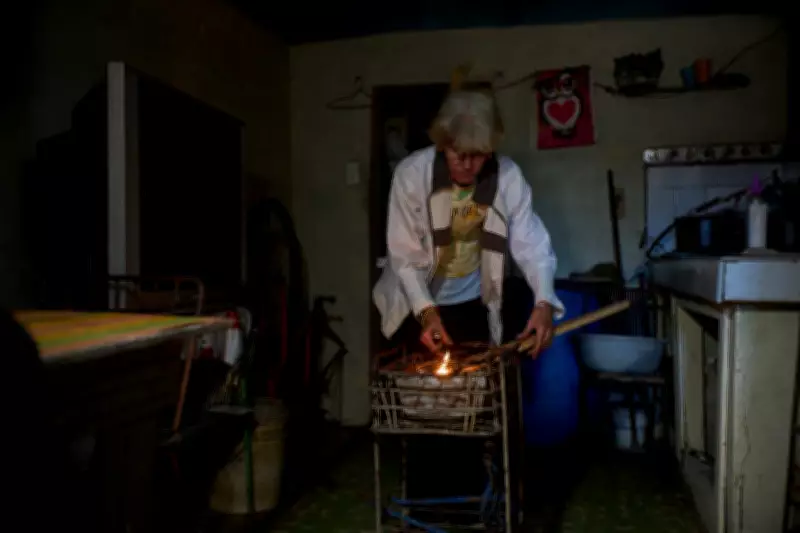
The aid announcement represents a significant, though modest, gesture from the U.S. government. The funds are designated for humanitarian purposes, aiming to provide relief to the Cuban population. This decision unfolds concurrently with stark imagery emerging from the island, such as residents in Santa Cruz del Norte—home to a major thermoelectric plant—resorting to lighting coals to cook dinner during scheduled blackouts. These planned power outages are a direct result of the nation's crippling energy rationing measures.
Cuban Leader's 'Energy Blockade' Allegation
In a pointed address, Cuba's leader has levied serious accusations against the United States, claiming it is enforcing an energy blockade. This allegation suggests that U.S. policies are intentionally restricting Cuba's access to the fuel and technology necessary to maintain a stable power grid. The leader's statement frames the current energy crisis not merely as an internal logistical failure but as a consequence of external, politically motivated pressure. This rhetoric adds a layer of geopolitical contention to the basic issue of keeping the lights on.

The Context of Chronic Power Shortages
Cuba has been grappling with persistent and severe energy shortages for an extended period. The situation forces the government to implement rolling blackouts to ration the limited available electricity. This has a profound impact on:
- Daily Life: Disrupting cooking, refrigeration, and work.
- Economic Activity: Hampering businesses and industrial operations.
- Public Services: Affecting hospitals, schools, and other critical infrastructure.
The $6 million in U.S. aid, while a humanitarian response, is set against this challenging reality of a population coping with unreliable power.
Analysis of Diplomatic Relations
This episode underscores the fragile and often contradictory state of U.S.-Cuba relations. On one hand, the provision of aid indicates a channel for limited cooperation and concern for the Cuban people's welfare. On the other, the vehement accusation of an energy blockade from Havana points to deep-seated grievances and a narrative of U.S. hostility. The situation presents a paradox where humanitarian assistance is offered even as fundamental policy disagreements—embodied by the long-standing U.S. trade embargo—continue to fuel bilateral tensions.
Observers note that the aid package may be viewed through different lenses: as a genuine effort to alleviate suffering, as a diplomatic tool, or as an insufficient measure in the face of what Cuba describes as a systematic blockade. The coming weeks will reveal how this aid is implemented and whether it leads to any dialogue or further escalates the war of words over energy security and sovereignty.