High-stakes diplomatic efforts to resolve the conflict in Ukraine have encountered significant headwinds in Paris, with the path forward clouded by uncertainty. The talks, a focal point for international diplomacy in early 2026, are struggling to gain momentum as a key participant, the United States, juggles multiple global crises.
Shifting American Priorities Create Diplomatic Vacuum
The primary challenge facing the Paris negotiations is a perceived shift in Washington's diplomatic bandwidth. American officials are concurrently managing a volatile situation involving Venezuela, which demands considerable strategic focus. Simultaneously, emerging tensions related to Greenland are further stretching U.S. diplomatic and security resources, creating a complex geopolitical landscape that diverts attention from Eastern Europe.
This multi-front engagement has left European allies and Ukrainian representatives concerned about the level of commitment and leverage the U.S. can bring to the table in Paris. The talks, which began with the goal of establishing a framework for a lasting ceasefire, now face the risk of stalling without robust American mediation and pressure.

Zelenskyy's Stance and the Stakes for Ukraine
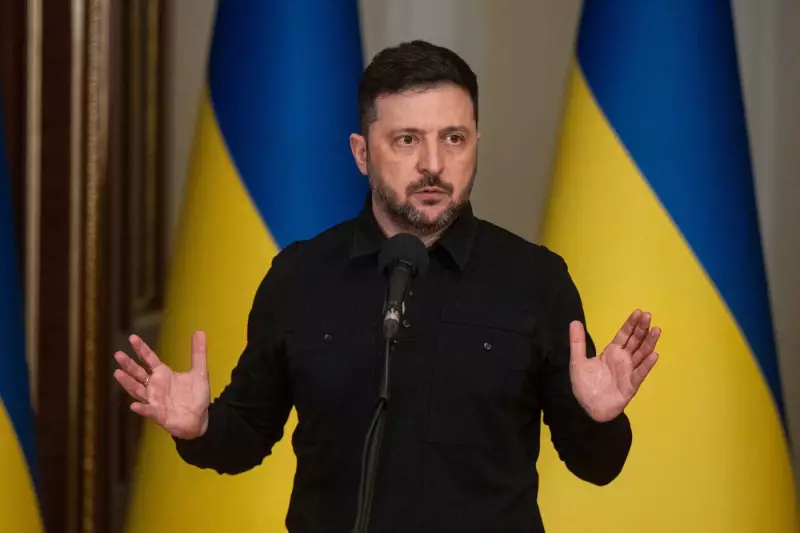
Ukrainian President Volodymyr Zelenskyy continues to advocate forcefully for his country's security and territorial integrity. In a public briefing held in Kyiv on Saturday, January 3, 2026, Zelenskyy underscored the critical nature of the diplomatic process. His government views the Paris forum as a vital avenue to secure international guarantees and a sustainable peace plan, making the current uncertainty particularly troubling for Kyiv.
The timing of the diplomatic slowdown is especially delicate, as military conditions on the ground remain fluid. Analysts suggest that a lack of clear progress in Paris could embolden adversarial forces and undermine ceasefire efforts, potentially leading to a renewed escalation of hostilities.
Broader Implications for Global Security
The situation in Paris highlights the interconnected nature of modern global crises. A diplomatic pivot by a major power like the United States can have immediate ripple effects thousands of miles away. The parallel crises in Venezuela and Greenland are not isolated incidents but are actively reshaping priorities in Washington, with direct consequences for European security architecture.
This development raises questions about the West's capacity to manage concurrent strategic challenges. Allies are now watching closely to see if the U.S. can effectively rebalance its focus or if the Ukraine talks will be relegated to a secondary tier of importance. The outcome will serve as a significant indicator of the international community's ability to coordinate and resolve protracted conflicts in an era of multiplying global tensions.
As of January 6, 2026, the atmosphere in Paris is one of cautious waiting. Diplomatic sources indicate that while the talks have not collapsed, the anticipated progress has not materialized, and the agenda is being adjusted in real-time to account for the changing geopolitical landscape. The coming days will be crucial in determining whether this diplomatic channel can regain its momentum or succumb to the pressures of a distracted world stage.