Former U.S. President Donald Trump's ambitious proposal to seize and revitalize Venezuela's oil industry is encountering substantial legal, logistical, and diplomatic obstacles, according to analysts and reports. The plan, which has surfaced as a potential policy direction, aims to tap into the South American nation's vast petroleum reserves but faces a maze of complications.
Legal and Logistical Hurdles Loom Large
The core of the proposal involves the United States taking control of Venezuelan oil assets, potentially through mechanisms like sanctions or a forced restructuring of the state-owned company PDVSA. However, experts point to a formidable array of barriers. International law strictly prohibits the unilateral seizure of another nation's sovereign assets, making such a move legally contentious and likely to trigger widespread condemnation and legal challenges in global courts.
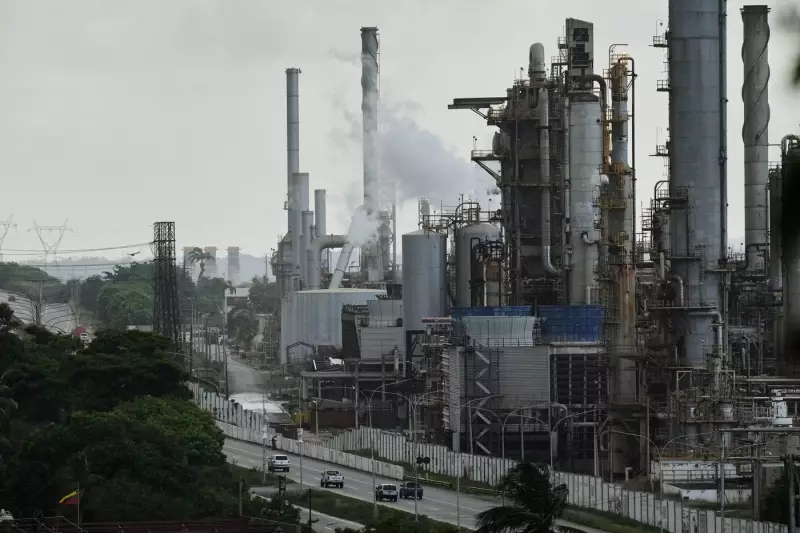
Logistically, Venezuela's oil infrastructure has suffered from years of underinvestment, mismanagement, and U.S. sanctions. While a photo of the El Palito refinery in Puerto Cabello from December 21, 2025, shows activity, the sector overall requires tens of billions of dollars in capital and years of work to restore production to previous levels. Seizing assets does not automatically fix crumbling refineries, depleted fields, and a exodus of skilled personnel.

Geopolitical Repercussions and Regional Stability
The geopolitical fallout from such an aggressive policy would be immediate and severe. It would likely unite Latin American governments—including current U.S. allies—in opposition, viewing it as a return to imperialist interventionism. Furthermore, it could push the current Venezuelan government, led by Nicolás Maduro, into deeper alliances with rivals like China, Russia, and Iran, complicating other U.S. foreign policy objectives.
Significantly, the plan appears at odds with other current U.S. diplomatic signals. Senator Marco Rubio has stated the U.S. is prepared to work with current Venezuelan leaders if they make the "right decision," suggesting a potential diplomatic pathway remains open. A policy of seizure would effectively shut that door and could destabilize the region, potentially triggering a new wave of migration.
Market Uncertainty and Alternative Paths
From an energy market perspective, the threat or execution of such a plan would inject significant volatility. While the stated goal is to revitalize production for global markets, the process of seizure and the inevitable legal battles would create uncertainty, likely keeping investment away and prices unstable in the short to medium term.
Analysts suggest that a more feasible approach to influencing Venezuela's oil sector may lie in a combination of calibrated sanctions relief, support for certified democratic processes, and incentives for foreign investment in partnership with a legitimate government. This method, while slower, would face fewer international legal challenges and could eventually lead to a managed increase in production without the risks associated with asset seizure.
In conclusion, while the proposition to commandeer Venezuela's oil resources aligns with a hawkish energy security narrative, its path is fraught with impediments that experts deem potentially insurmountable under current international norms. The plan underscores the complex intersection of energy policy, international law, and regional diplomacy that any future U.S. administration would need to navigate regarding Venezuela.