Trump Issues Presidential Pardons to Five Former NFL Athletes
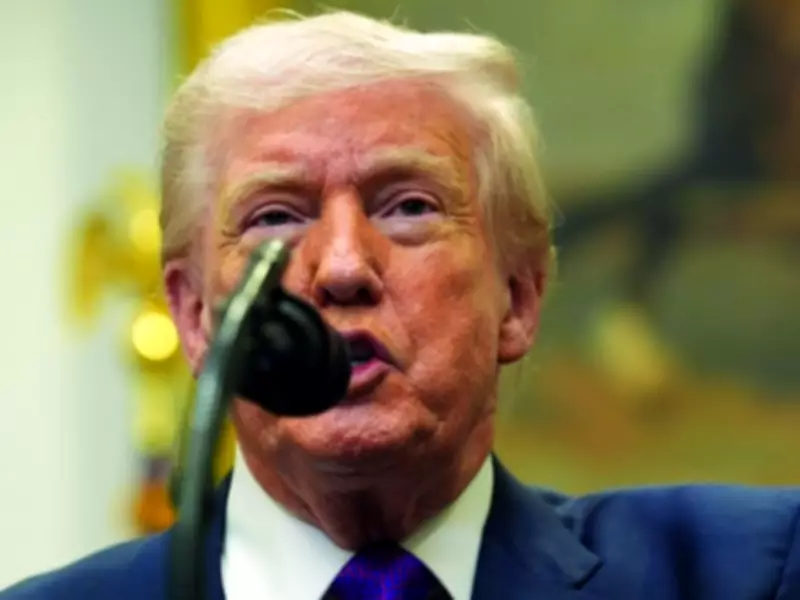
In a significant clemency move, U.S. President Donald Trump on Thursday granted pardons to five former National Football League players, with one pardon awarded posthumously. The action effectively wipes away criminal convictions that spanned offenses including perjury and drug trafficking, offering a formal presidential reprieve to the individuals involved.
White House Announces Clemency Details
The pardons were officially announced by White House pardon czar Alice Marie Johnson, who disclosed that the beneficiaries include Joe Klecko, Nate Newton, Jamal Lewis, Travis Henry, and the late Billy Cannon. Johnson emphasized the symbolic nature of the decision, stating on social media platform X that "excellence is built on grit, grace, and the courage to rise again. So is our nation." She extended gratitude to President Trump for his "continued commitment to second chances," framing the pardons within a broader narrative of redemption and national resilience.
Profiles of the Pardoned Players
Joe Klecko, a former defensive lineman for the New York Jets and a 2023 Pro Football Hall of Fame inductee, had pleaded guilty to perjury after providing false testimony to a federal grand jury investigating insurance fraud. Klecko was a two-time Associated Press All-Pro and four-time Pro Bowler during his standout career.

Nate Newton, an offensive lineman who won three Super Bowls with the Dallas Cowboys, pleaded guilty to a federal drug trafficking charge. Authorities discovered $10,000 in his pickup truck and 175 pounds of marijuana in another vehicle linked to him. Newton, a two-time All-Pro and six-time Pro Bowler, received the news of his pardon personally from Cowboys owner Jerry Jones, according to Johnson.
Jamal Lewis, a running back for the Baltimore Ravens and Cleveland Browns, pleaded guilty in a drug case involving a cellphone used to arrange a deal shortly after he was a top pick in the 2000 NFL draft. Lewis was the 2003 AP Offensive Player of the Year, a one-time All-Pro, and a Pro Bowler.
Travis Henry, a former Denver Broncos running back and one-time Pro Bowler, pleaded guilty to conspiracy to traffic cocaine after financing a drug ring that operated between Colorado and Montana. He played for three teams during his NFL tenure.
Billy Cannon, a college football legend and 1959 Heisman Trophy winner at Louisiana State University, received a posthumous pardon. Cannon, who played for the Houston Oilers, Oakland Raiders, and Kansas City Chiefs, admitted to counterfeiting in the mid-1980s following financial difficulties from bad investments. The two-time All-Pro and two-time Pro Bowler passed away in 2018.
Context and Reaction
The Associated Press reported that the White House did not respond to a request for comment on the rationale behind Trump's decision to pardon these particular athletes, despite the President's known enthusiasm for sports. The pardons come years after the players' legal troubles, with Johnson highlighting the action as providing a "second chance" to individuals whose careers were marred by criminal convictions. This move aligns with Trump's history of using presidential pardon powers for high-profile cases, though it has sparked discussions about the criteria and implications of such executive clemency in the realm of professional sports and beyond.