Trump's Unconditional Surrender Demand Signals Extended Iran Conflict
Former President Donald Trump has declared that there will be no negotiated settlement with Iran unless Tehran agrees to unconditional surrender, marking a significant escalation in rhetoric as U.S. and Israeli military operations continue in the region. In a social media post on Truth Social, Trump emphasized that any resolution must involve complete capitulation from Iranian leadership.
White House Shifts from Regime Change Rhetoric
The president's remarks represent a notable shift in the administration's stated objectives. Previously, U.S. officials had maintained that their goal was not regime change in Tehran. However, Trump's recent statements suggest the White House may be preparing for a prolonged conflict that could fundamentally reshape Iran's political landscape.
"There will be no deal with Iran except UNCONDITIONAL SURRENDER!" Trump wrote in his social media declaration, adding that the United States and its allies would select "GREAT & ACCEPTABLE Leader(s)" for Iran's future governance.

Human Toll and Regional Impact
The ongoing conflict has already resulted in significant casualties:
- At least 1,332 people killed in Iran according to current estimates
- Dozens more fatalities across the region from retaliatory strikes
- Six U.S. military personnel killed during the initial phase of hostilities
Trump's position appears to have hardened since the conflict's early days when he indicated willingness to broker a diplomatic solution. The current stance suggests a more confrontational approach that could prolong military engagement.
Leadership Transition Complicates Negotiations
The timing of Trump's declaration coincides with Iran's impending leadership transition following the death of Supreme Leader Ali Khamenei on February 28. Mojtaba Khamenei, the slain leader's second-oldest son, is among those being considered for succession, though Trump has dismissed him as a "lightweight" who wouldn't alter the regime's policies.
In subsequent media interviews, Trump elaborated on his vision for Iran's future leadership, stating he "may be" willing to accept another religious leader provided that person would "treat the United States and Israel well." However, he emphasized wanting to "clean out everything" in Tehran's power structure rather than allowing gradual rebuilding over years.
Economic and Global Consequences
The conflict has already triggered significant economic repercussions:
- Brent crude futures have reached their highest levels in nearly two years
- Global bond markets have experienced substantial volatility
- The U.S. dollar has strengthened significantly against other currencies
Despite these economic pressures, Trump downplayed concerns about rising oil prices during a CNN interview, characterizing the spike as "short term" and predicting prices would "go way down very quickly."
Regional Military Developments
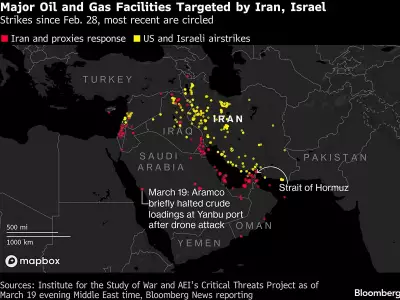
Israel has announced plans to intensify strikes against Iran's military capabilities as part of what it describes as the next phase of the campaign. Meanwhile, Iran has conducted missile and drone attacks targeting several Gulf countries, prompting Trump to assert that Tehran "made a mistake when they attacked other gulf countries."
The former president rated the conflict's intensity as a "12, maybe 15 on the scale of 10" while expressing confidence in U.S. military performance. His comments come amid reports that Iran's Ministry of Intelligence denied attempting to negotiate through back channels with the Central Intelligence Agency, dismissing such claims as "pure falsehood and psychological warfare."
Historical Parallels and Future Implications
Trump drew parallels between the current situation and recent U.S. involvement in Venezuela, where Washington established a relationship with interim leadership following the capture of strongman Nicolas Maduro. That arrangement maintained basic governmental structures while securing concessions on oil shipments and other strategic interests.

However, Trump's current rhetoric suggests he envisions a more comprehensive transformation in Iran, potentially involving complete restructuring of the country's leadership and policies. As military operations continue and diplomatic channels remain strained, the demand for unconditional surrender sets a high bar for any potential resolution to the escalating conflict.