In a significant escalation of foreign policy rhetoric, the administration of U.S. President Donald Trump has shifted its gaze toward Cuba following a bold military operation in Venezuela. The remarks, made over the weekend, suggest the socialist-run island could be the next focus of Washington's interventionist stance.
Trump and Rubio Point Fingers at Havana
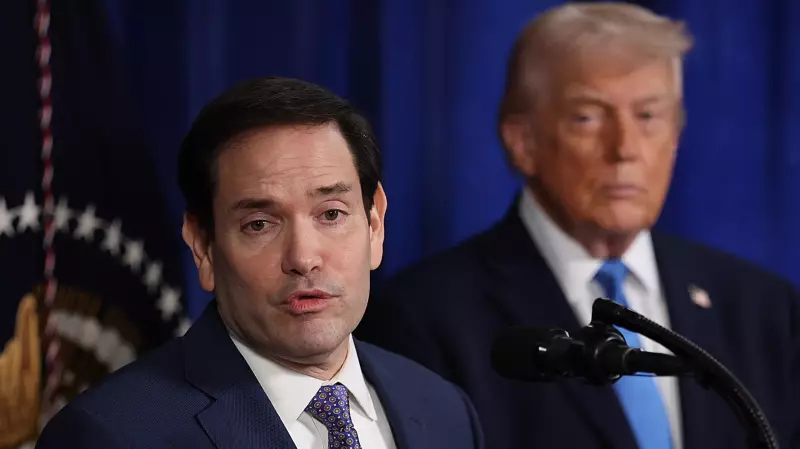
Speaking at a press conference on Saturday, January 3rd, from his Mar-a-Lago estate, President Trump addressed the recent abduction of Venezuelan President Nicolás Maduro. He indicated that similar tactics might be considered for Cuba, which he labeled a "failing nation."
"That system has not been a very good one for Cuba," Trump stated. "The people there have suffered for many, many years." He added that he and top White House diplomats would likely "end up talking about" applying pressure on the Cuban government.

Secretary of State Marco Rubio, summoned to the lectern by Trump, adopted a more threatening tone. The Florida native, whose parents immigrated from Cuba in 1956, directly addressed the Cuban leadership. "If I lived in Havana and I was in the government, I'd be concerned at least a little bit," Rubio warned reporters, emphasizing the President's resolve to follow through on his threats.
A Softened Yet Ominous Stance
By Sunday, January 4th, Rubio's public comments had moderated slightly during an appearance on NBC's "Meet the Press." However, the underlying message remained consistent. When pressed by moderator Kristen Welker to confirm if Cuba was the administration's "next target," Rubio declined to specify any future U.S. steps but called the Cuban government a "huge problem" that was in "a lot of trouble" domestically.
"I don't think it's any mystery that we are not big fans of the Cuban regime," Rubio added, leaving the possibility of further action firmly on the table.
Regional Repercussions and Condemnation
The potential for U.S. moves against Cuba comes with immediate practical consequences. Venezuela provides roughly 30% of Cuba's oil imports, meaning the upheaval in Caracas directly threatens Havana's energy security, even without direct American intervention.
Cuban President Miguel Diaz-Canel swiftly condemned Maduro's capture. At a rally outside the U.S. Embassy in Havana on Saturday, he denounced the operation as an "act of state terrorism" against a peaceful nation.
The Trump administration's warnings were not confined to Cuba. During the same Saturday remarks, Trump accused Colombian President Gustavo Petro of complicity in the cocaine trade, telling him to "watch his ass." In a separate Fox News interview that day, Trump also criticized Mexican President Claudia Sheinbaum's cartel strategy, stating "something's going to have to be done with Mexico."
The weekend's events mark a sharp intensification in U.S. posturing toward left-led governments in Latin America, with Cuba now clearly in the crosshairs of Trump's diplomatic and potentially military strategy.