Spanish Leader Takes Firm Stance Against Iran Military Escalation
In a bold diplomatic move, Spanish Prime Minister Pedro Sánchez has declared his government's opposition to any military intervention in Iran, directly confronting trade threats issued by former U.S. President Donald Trump. The announcement comes amid escalating tensions in the Middle East and growing concerns about global economic stability.
Sánchez's Munich Security Conference Address
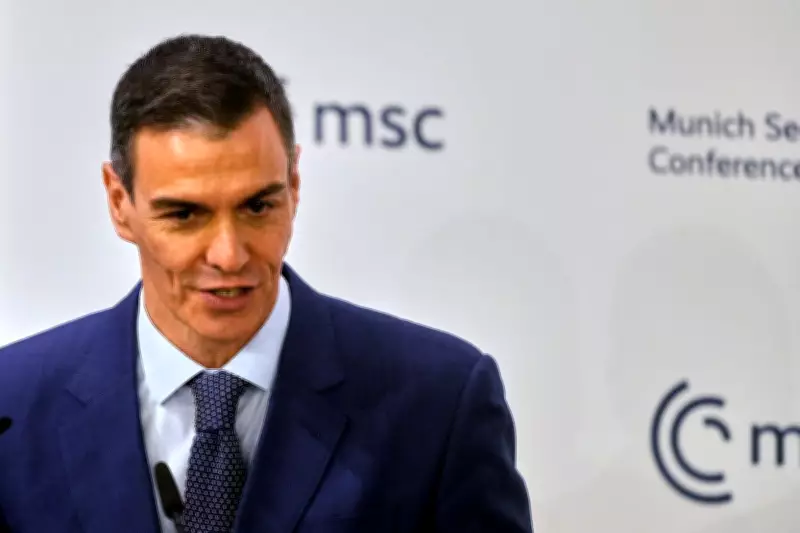
During a panel discussion at the prestigious Munich Security Conference in Germany, Sánchez articulated Spain's position clearly, stating "no to the war" when questioned about potential conflict with Iran. The prime minister emphasized that diplomatic solutions must prevail over military options, highlighting the devastating humanitarian consequences that armed conflict would bring to the region.
The Spanish leader's remarks carry significant weight as they represent a direct challenge to Trump's recent warnings about imposing trade restrictions on European nations that don't align with American foreign policy objectives. Sánchez's government appears prepared to withstand potential economic pressure in defense of its principled stance on international conflict resolution.

Trump's Trade Threats Against European Allies
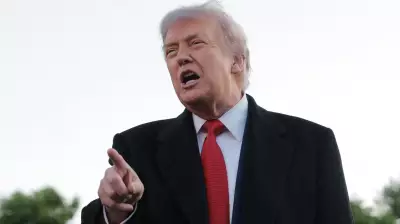
Former President Trump has repeatedly suggested that European countries failing to support American foreign policy initiatives could face substantial trade penalties. These threats have created diplomatic friction between the United States and its traditional allies, with Spain now emerging as a vocal critic of this approach to international relations.
"The global community cannot allow economic coercion to dictate foreign policy decisions," Sánchez implied during his conference appearance, though he stopped short of naming Trump directly. The Spanish position reflects growing European unease with what many perceive as transactional approaches to international diplomacy.
Broader Implications for European Unity
Spain's firm stance on Iran comes at a critical juncture for European foreign policy coordination:
- Several European Union member states have expressed reservations about military escalation in the Middle East
- The economic consequences of renewed conflict could destabilize global energy markets
- European leaders face increasing pressure to maintain independent foreign policies despite external pressures
- The situation tests the cohesion of transatlantic alliances that have endured for decades
Sánchez's declaration represents more than just a national position—it signals potential shifts in how European nations navigate complex geopolitical landscapes where economic and security interests sometimes conflict. The Spanish government appears determined to prioritize diplomatic solutions and regional stability over alignment with American positions that might lead to military confrontation.
Regional Stability and Global Consequences
The prime minister's comments acknowledge the broader implications of conflict with Iran, which could potentially:
- Trigger wider regional destabilization affecting multiple Middle Eastern countries
- Disrupt crucial international shipping routes through the Strait of Hormuz
- Create new refugee crises with impacts extending to European borders
- Accelerate nuclear proliferation concerns throughout the region
By taking this public stance, Sánchez has positioned Spain as a voice for restraint in international affairs, even at the risk of economic repercussions. The development highlights ongoing tensions within Western alliances and raises questions about how democratic nations balance sovereignty with collective security arrangements in an increasingly polarized global landscape.