Russia and Ukraine Continue U.S.-Brokered Peace Negotiations in Abu Dhabi
Diplomatic efforts to resolve the protracted conflict between Russia and Ukraine have entered a critical phase, with representatives from both nations engaging in a second consecutive day of peace talks. These high-stakes negotiations are being held in Abu Dhabi, the capital of the United Arab Emirates, and are being facilitated by the United States, which is acting as a mediator in an attempt to broker a sustainable ceasefire and potential peace agreement.
Context of Ongoing Hostilities
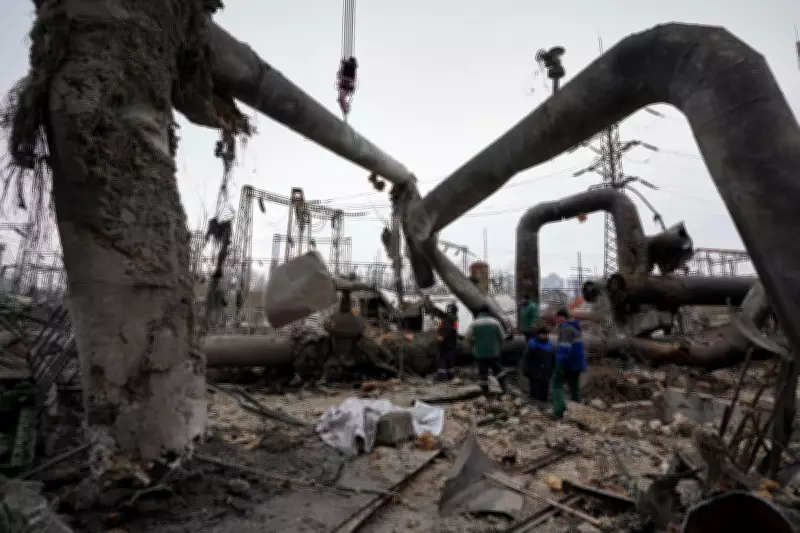
The talks are occurring against a backdrop of continued military aggression and significant humanitarian concerns. Just prior to the commencement of these discussions, Ukrainian infrastructure faced another devastating attack. On Wednesday, February 4, 2026, the Darnytsia Thermal Power Plant in Kyiv was struck, resulting in substantial damage. Workers were subsequently photographed cleaning up the debris, a stark visual reminder of the war's immediate and destructive impact on civilian life and essential services.
This incident underscores the urgent need for a diplomatic breakthrough. The conflict, which began years earlier, has resulted in immense loss of life, widespread displacement, and the systematic destruction of cities and critical energy networks across Ukraine. International observers hope the Abu Dhabi talks can move beyond preliminary discussions and establish concrete steps toward de-escalation.

The Role of International Mediation
The involvement of the United States as a broker signifies a continued commitment by Western powers to seek a political solution to the war. The choice of Abu Dhabi as a neutral venue is also strategic, leveraging the UAE's diplomatic channels and its relationships with various global actors. The success of these talks could hinge on the ability of mediators to bridge deep-seated divisions regarding territorial sovereignty, security guarantees, and post-war reconstruction.
Analysts note that while previous rounds of negotiation have yielded temporary ceasefires or prisoner exchanges, a comprehensive peace deal has remained elusive. The extended duration of this latest meeting—spanning multiple days—suggests that parties may be delving into more substantive and complex issues than in past encounters.
Broader Implications and Challenges
The outcome of these discussions carries weight far beyond the immediate region. A successful negotiation could potentially ease global energy and food supply disruptions linked to the war and reduce geopolitical tensions between NATO members and Russia. Conversely, a failure could lead to a further intensification of the conflict, with increased military support for Ukraine and heightened risks of a broader confrontation.
Key challenges at the table include the status of occupied Ukrainian territories, conditions for the withdrawal of Russian forces, and mechanisms for ensuring Ukraine's future security and sovereignty. Both sides are likely under significant domestic pressure, making compromise difficult. The international community, including Canada, which has strongly supported Ukraine, will be watching closely for any signs of tangible progress emerging from the UAE.