U.S. Secretary of State Affirms Willingness for Dialogue with Iran as Regional Tensions Escalate
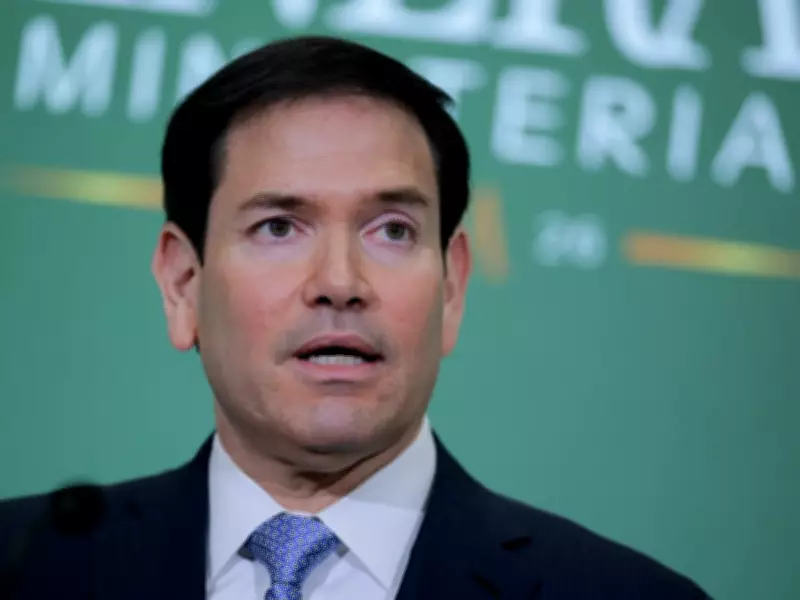
U.S. Secretary of State Marco Rubio has declared that Washington remains open to upcoming talks with Iran, emphasizing that a location for the discussions is currently "being worked through." However, Rubio stressed that these negotiations cannot be confined solely to nuclear issues, setting the stage for potential disagreements with Tehran over the scope of the dialogue.
Confusion Over Venue and Agenda Complicates Diplomatic Efforts
Amid considerable confusion regarding where the talks will occur and what subjects will be addressed, Rubio revealed on Wednesday that the U.S. side believed an agreement had been reached for a meeting to take place on Friday in Turkey. "As far as the talks are concerned, you know, I think the Iranians had agreed to a certain format — for whatever reason, it’s changed in their system," Rubio told reporters. He added, "We’ll see if we can get back to the right place. But the United States is prepared to meet with them."
According to sources familiar with the matter, Iran has requested that the discussions be relocated to Oman from Turkey and that regional countries be excluded from participation. The White House has not commented on this specific request. These talks follow repeated threats by U.S. President Donald Trump to strike Iran if it fails to agree to a deal.

Divergent Positions on Discussion Parameters Threaten Progress
Iran has expressed a desire to limit the negotiations strictly to its nuclear program, but Rubio countered that "for talks to actually lead to something meaningful, they have to include certain things." The U.S. insists that the agenda must encompass:
- Tehran's ballistic-missile program
- Its sponsorship of regional militant groups
- The treatment of its own people
Rubio noted that White House Middle East Envoy Steve Witkoff is prepared and ready to attend a summit, highlighting the administration's commitment to these broader discussions.
Heightened Tensions and Recent Incidents Underscore Regional Volatility
The contrasting positions over the parameters of the talks are likely to raise significant concerns about whether the two sides can realistically bridge major differences at a time of heightened tensions in the oil-rich region. The United States and Iran have long been at loggerheads over the Islamic Republic's atomic activities, but divisions have deepened—particularly after Tehran authorities suppressed a recent wave of protests, resulting in thousands of deaths.
On Tuesday, a U.S. military jet shot down an Iranian drone after it "aggressively approached" the Abraham Lincoln aircraft carrier in the Arabian Sea, according to American officials. This skirmish contributed to a rise in oil prices, with Brent crude increasing by 0.6 percent to approximately US$67.70 a barrel on Wednesday. Oil prices have surged 11 percent this year, largely due to the prospect of conflict in the region.
Iran's Stance and Internal Vulnerabilities Shape Negotiating Position
Iran's semi-official Tasnim news agency reported on Wednesday that Iranian Foreign Minister Abbas Araghchi and Witkoff will travel to Muscat for talks, which will be "limited to the nuclear issue and the lifting of sanctions on Iran." Similarly, the semi-official Iranian Students’ News Agency stated that "the main topic" will be Iran's nuclear program, with sanctions relief being Tehran's most pressing concern.
Historically, Iran has resisted negotiating with the United States over its conventional missile capabilities. However, the country now faces unprecedented levels of domestic dissent, making it more vulnerable than in previous diplomatic rounds. This internal pressure may influence Tehran's willingness to engage in broader discussions, even as it publicly maintains a narrow focus on nuclear matters.
President Trump reiterated on Tuesday that the U.S. and Iran are maintaining diplomatic contact, suggesting that channels of communication remain open despite the escalating tensions and divergent agendas. The coming days will be critical in determining whether these talks can proceed and if a meaningful dialogue can be established between the two longstanding adversaries.