Rafah Border Crossing Resumes Operations Following Brief Shutdown
The critical Rafah crossing, which serves as a primary gateway between the Gaza Strip and Egypt, has reopened after being closed for two consecutive days. This development comes amidst persistent complaints from Palestinians regarding significant delays and reported incidents of mistreatment during the transit process. The crossing is a vital lifeline for humanitarian aid and medical evacuations in the region, which continues to grapple with the aftermath of the ongoing Israel-Hamas conflict.
Palestinians Voice Concerns Over Transit Conditions
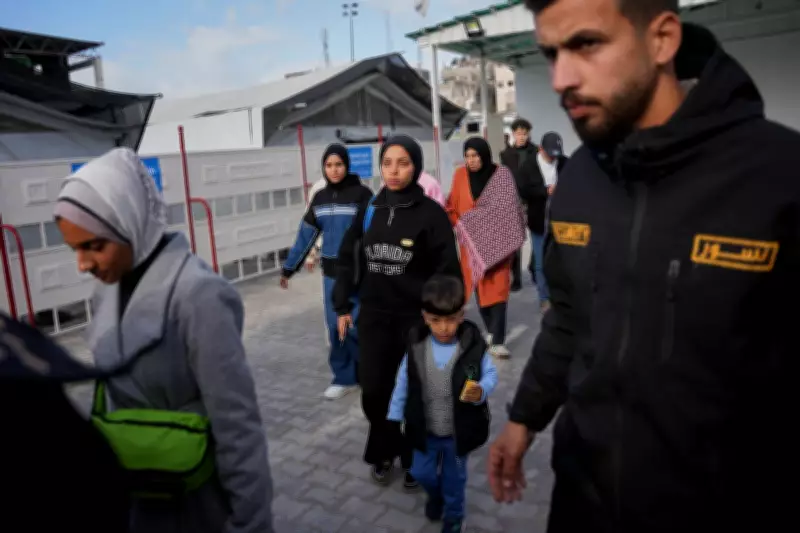
Palestinian patients and their families have gathered in locations such as Khan Younis, preparing to board buses destined for the Rafah crossing. Their goal is to leave Gaza for essential medical treatment abroad, a journey that has become increasingly fraught with challenges. Eyewitness accounts and reports from the ground suggest that individuals face prolonged waiting periods and uncomfortable conditions, raising serious humanitarian concerns. These issues highlight the broader struggles faced by civilians in Gaza as they seek access to healthcare and safety beyond the embattled territory.
Humanitarian Implications in a War-Torn Region
The reopening of the Rafah crossing is a crucial step for the flow of aid and the movement of people, yet it underscores the fragile state of infrastructure and diplomacy in the area. International observers and aid organizations are closely monitoring the situation, emphasizing the need for smoother and more respectful transit procedures. The allegations of mistreatment add another layer of complexity to an already tense geopolitical landscape, where every border operation is scrutinized for its impact on civilian welfare.

As the Israel-Hamas war persists, the Rafah crossing remains a symbol of both hope and hardship for Palestinians. Its operational status directly affects thousands of lives, from patients requiring urgent medical care to families seeking reunification. The recent closure and subsequent reopening serve as a reminder of the volatile nature of border management in conflict zones, where political and security considerations often intersect with humanitarian needs.