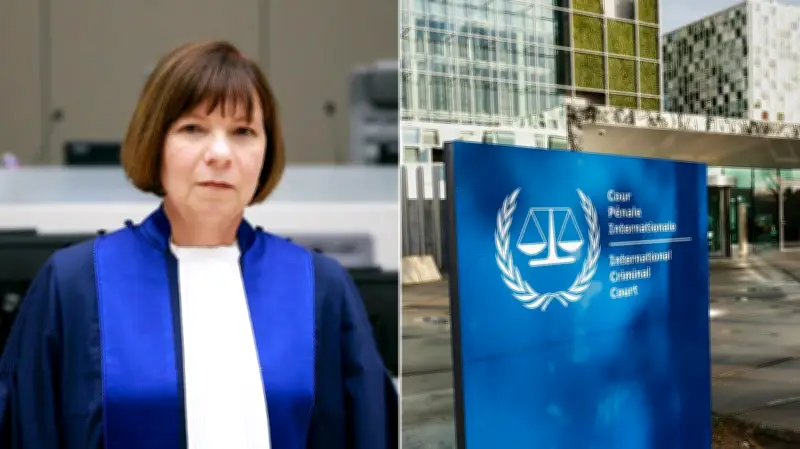
The Canadian government has remained silent on whether it will participate in a legal case challenging former U.S. President Donald Trump's sanctions against Canadian International Criminal Court (ICC) Judge Kimberly Prost. The sanctions, imposed by Trump in 2020, targeted ICC officials investigating U.S. military actions in Afghanistan. Prost, a Canadian judge, was among those sanctioned, sparking concerns about judicial independence and international law.
Background of the Sanctions
In June 2020, Trump issued an executive order authorizing economic sanctions and visa restrictions against ICC personnel involved in investigations of U.S. forces. The move was widely condemned by human rights groups and allies, including Canada. However, Ottawa has not yet confirmed its stance on joining a legal challenge led by the ICC and other states to overturn the sanctions.
Legal Challenge and International Response
The ICC and several countries have filed legal briefs arguing that the sanctions violate international law and impede the court's work. The case is being heard in U.S. courts, with a ruling expected later this year. Legal experts suggest that Canada's participation could strengthen the challenge, given Prost's Canadian nationality and the government's previous criticism of the sanctions.

Impact on Canadian-ICC Relations
Canada has historically supported the ICC, but the current government's silence has raised questions about its commitment to international justice. According to a source familiar with the matter, "Ottawa is weighing diplomatic repercussions with the U.S." The sanctions have also affected Prost's ability to travel and conduct court business, highlighting the personal toll on targeted officials.
Political Reactions
Opposition MPs have called on the government to take a clear position. NDP foreign affairs critic Heather McPherson stated, "Canada must stand up for its citizens and the rule of law." The Liberal government has not responded to requests for comment.