Oman Mediates Indirect U.S.-Iran Talks Over Tehran’s Nuclear Program
Oman is currently facilitating indirect discussions between the United States and Iran, focusing on Tehran's contentious nuclear program. This diplomatic initiative represents a significant effort to address one of the most persistent international security challenges, as tensions surrounding Iran's nuclear ambitions have long been a focal point of global concern.
Diplomatic Channels and Key Figures
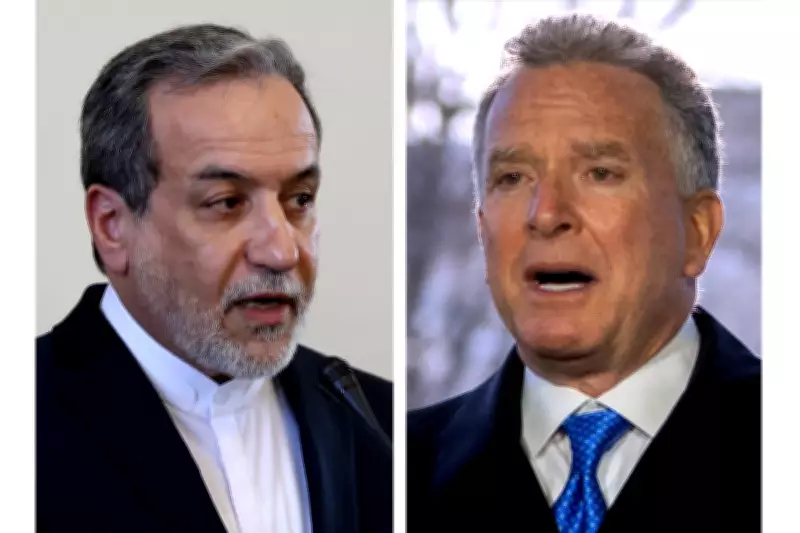
The talks involve key diplomatic figures from both nations, operating through Omani intermediaries to maintain a degree of separation and reduce direct confrontation. On the Iranian side, Foreign Minister Abbas Araghchi has been a prominent voice in these negotiations, advocating for Tehran's positions from the capital. Conversely, the United States is represented by Steve Witkoff, the White House special envoy, who brings Washington's perspective to the table from his base in the nation's capital.
This structured approach allows for the exchange of viewpoints and potential compromises without the immediate pressure of face-to-face meetings, which have historically been fraught with political sensitivities. The involvement of Oman, a neutral party with established ties to both countries, underscores the importance of trusted mediation in such high-stakes discussions.

Context and Implications
The nuclear program of Iran has been a source of international scrutiny for years, with previous agreements like the Joint Comprehensive Plan of Action (JCPOA) facing challenges and revisions. These indirect talks aim to explore pathways toward de-escalation and possibly a renewed framework for monitoring and limiting Iran's nuclear activities.
Success in these negotiations could have far-reaching implications for regional stability, non-proliferation efforts, and the broader geopolitical landscape in the Middle East. However, obstacles remain, including domestic political pressures in both countries and ongoing regional conflicts that complicate diplomatic outreach.
Regional and Global Reactions
Observers and stakeholders worldwide are closely monitoring these developments, as any progress or setback could influence international relations and security policies. The indirect nature of the talks, while cautious, reflects a pragmatic attempt to keep communication channels open amidst a complex and often volatile environment.
As the discussions continue, the role of Oman as a mediator highlights the ongoing search for diplomatic solutions to one of the most pressing issues in contemporary foreign affairs. The outcome of these talks will likely shape future engagements between the U.S. and Iran, with potential ripple effects across global diplomacy.