In a significant political development, the government of Nicaragua announced the release of dozens of prisoners on January 10, 2026. This action came just one day after the United States government issued formal demands for such a move, highlighting the ongoing diplomatic tensions between the two nations.
A Swift Response to International Pressure
The timing of the release is widely seen as a direct response to pressure from Washington. The United States had publicly called for the liberation of these individuals, whose identities and specific charges were not immediately detailed in the initial announcement from Managua. The swiftness of the Nicaraguan government's action underscores the complex and often strained relationship it maintains with Western powers, particularly the U.S.
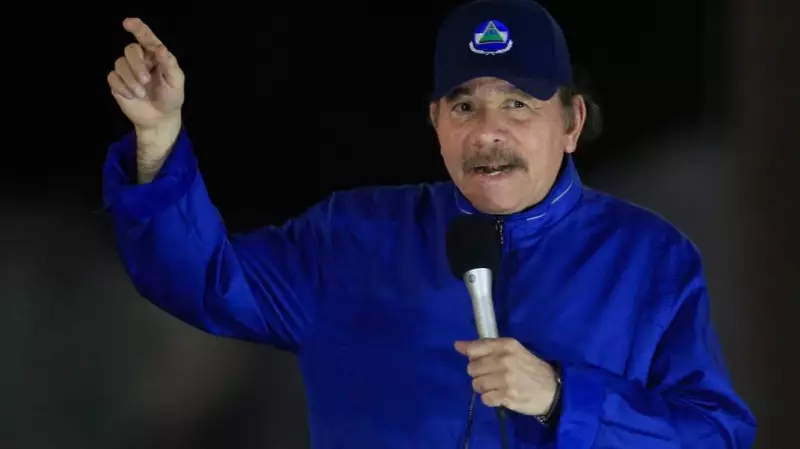
President Daniel Ortega's administration, which has faced years of international criticism over its human rights record and democratic backsliding, made the announcement without extensive fanfare. The move is being closely analyzed by foreign policy observers for its potential implications on bilateral relations and whether it signals a willingness for further diplomatic engagement.

The Context of U.S.-Nicaragua Relations
Relations between Nicaragua and the United States have been fraught for decades, with tensions escalating in recent years following widespread protests, government crackdowns, and the imprisonment of opposition figures. The U.S. has repeatedly imposed sanctions on Nicaraguan officials and state entities, demanding greater political freedoms and the release of what it considers political prisoners.
The release of these dozens of detainees on January 10 represents one of the most concrete actions taken by the Ortega government in direct sequence to a U.S. demand in recent memory. It remains unclear if this is a unilateral goodwill gesture, part of a broader negotiation, or a tactical decision to alleviate international pressure. Analysts are watching to see if this leads to a more substantive dialogue or is an isolated event.
Reactions and Next Steps
While the immediate U.S. reaction to the prisoner release was not part of the initial report, the development is likely to be a key topic in State Department briefings. Human rights organizations and Nicaraguan exile groups will be scrutinizing the list of those freed to determine the scope and sincerity of the action.
The key question now is whether this marks a turning point or a temporary tactical pause in hostilities. The situation continues to evolve, and the international community will be monitoring Nicaragua's next moves closely, particularly regarding its internal governance and treatment of dissent. The coming weeks will reveal if this prisoner release opens a door to de-escalation or merely represents a minor adjustment in a continuing standoff.