In a stunning geopolitical development, Venezuelan President Nicolás Maduro and his wife have been taken into United States custody following a military operation. The couple arrived in New York on Saturday, January 3, 2026, after U.S. President Donald Trump announced the successful capture, stating it would allow the U.S. to 'run' Venezuela and take control of its vast oil reserves.
Operation and Immediate Fallout
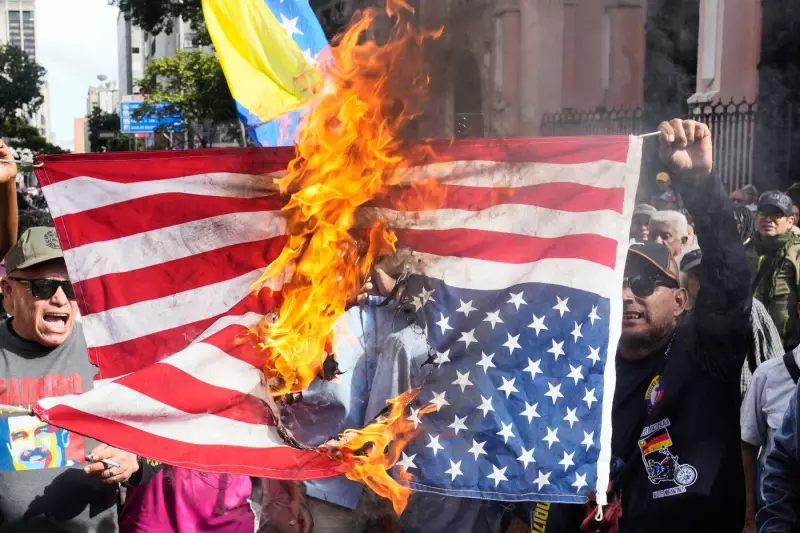
The capture, which occurred just days into the new year, has sent shockwaves through international relations. U.S. forces executed the operation, the precise details of which remain partially classified, resulting in Maduro's transfer to American soil. The announcement from President Trump was met with immediate and fierce backlash within Venezuela. Government supporters in the capital, Caracas, took to the streets, burning U.S. flags in protest on January 3, 2026.
The repercussions extended far beyond Venezuela's borders, disrupting travel across the Caribbean. The political upheaval led to the cancellation of hundreds of flights, stranding travelers during the holiday period. The U.S. administration's stated intent to assume control over Venezuela's significant oil reserves marks a dramatic escalation in the long-standing tensions between Washington and Caracas.

Canadian Reaction and Protests
The event resonated strongly within Canada, particularly in its largest city. On the same day as the Caracas flag-burning, demonstrators gathered in Toronto to voice their opposition to the U.S. intervention. Chanting 'Hands off Venezuela,' the protesters rallied against what they see as a violation of international sovereignty. The Toronto protest underscores the global divisions the operation has ignited and highlights the active engagement of the Canadian diaspora in international political issues.
Canada's government has also been compelled to respond. The country's foreign minister issued a formal statement addressing the capture of Maduro, indicating that the incident is being closely monitored at the highest levels of the Canadian government. The statement likely reflects concerns over regional stability, international law, and the precedent set by such an intervention.
Broader Implications and What Comes Next
This unprecedented move by the United States represents one of the most direct interventions in Latin American politics in decades. President Trump's declaration that the U.S. will now 'run' Venezuela and commandeer its oil wealth points to a strategy of overwhelming economic and political control. Analysts are warning of potential prolonged instability in the region, possible retaliatory actions, and a significant reshuffling of global oil markets.
The arrival of Maduro in New York also sets the stage for a potential legal spectacle. While the specific charges he may face have not been fully detailed, his presence on U.S. territory suggests plans for a judicial process. The coming days and weeks will be critical in determining the response from Venezuela's remaining government, its international allies, and global institutions. The events of January 3, 2026, have undoubtedly opened a new and volatile chapter in hemispheric relations.