The unprecedented capture and transfer of Venezuelan President Nicolas Maduro to the United States by the Trump administration has sent shockwaves through the international community, raising profound questions about the future of international legal frameworks and state sovereignty.
A Dramatic Court Appearance in New York
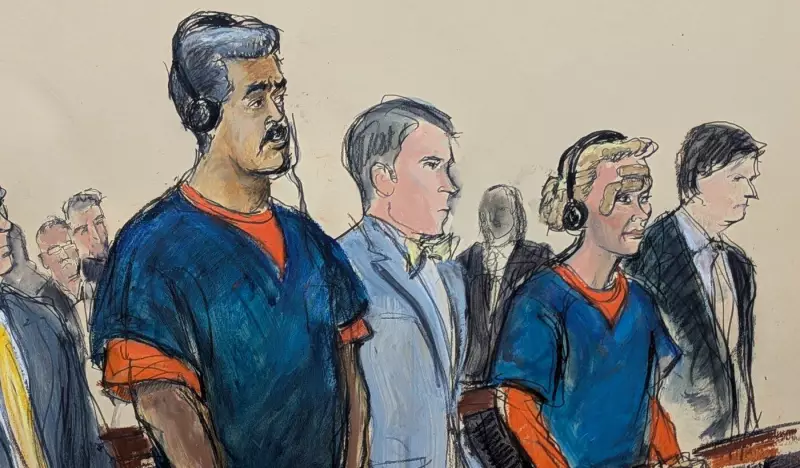
On Monday, January 5, 2026, a scene few could have predicted unfolded in a Manhattan federal courtroom. Venezuelan leader Nicolas Maduro, alongside his wife Cilia Flores, appeared before a judge. They were flanked by their defense attorneys, Mark Donnelly and Andres Sanchez. The image, captured by photographer Elizabeth Williams, symbolized a dramatic escalation in the long-standing tensions between Washington and Caracas.
The operation, authorized by the U.S. administration under former President Donald Trump, involved the physical capture of a sitting head of state from a third country. This bold move has immediately become a focal point for global diplomats and legal scholars, who are debating its implications for the principles of national sovereignty and the established rules of international engagement.

Canadian Political and Public Reaction
The event has resonated strongly within Canada, prompting reactions across the political spectrum. Federal Conservative Leader Pierre Poilievre seized on the incident to call for immediate approval of pipeline projects, linking energy security to geopolitical instability. Meanwhile, in Regina, residents held a rally opposing U.S. military action in Venezuela, highlighting domestic concerns about foreign intervention.
The human impact was felt in Canadian homes with Venezuelan ties. A Winnipeg family originally from Venezuela provided a personal reaction to Maduro’s capture, illustrating the direct emotional connection many in the diaspora feel toward events in their home country. These responses underscore the complex ways in which global crises intersect with Canadian society.
Broader Implications for International Law
Legal experts are expressing deep unease, arguing that the unilateral capture of a foreign leader sets a dangerous precedent that could undermine the entire international legal order. The act challenges long-held norms regarding jurisdiction, immunity for state officials, and the protocols for addressing allegations against foreign leaders.
The concern is that such actions, conducted outside of established international bodies like the International Criminal Court or United Nations frameworks, could lead to a more volatile and lawless global political environment. Other nations may now contemplate similar extraterritorial actions against their adversaries, potentially escalating conflicts.
The capture of Nicolas Maduro marks a pivotal moment in modern geopolitics. While the legal proceedings against him will continue in New York, the broader debate it has ignited about the limits of state power and the resilience of international law is just beginning. For Canada, a nation historically committed to a rules-based international order, the event presents a significant diplomatic and philosophical challenge, forcing a reevaluation of how to balance justice, sovereignty, and global stability in an increasingly unpredictable world.