Canada's recent forceful condemnation of the Iranian regime's violent crackdown on protesters stands in stark contrast to its years of hesitant policy, particularly regarding the Islamic Revolutionary Guard Corps (IRGC). While the current rhetoric is strong, it underscores a significant period of inaction that has drawn sharp criticism from political opponents and the Iranian-Canadian community.
A Sudden Shift in Rhetoric
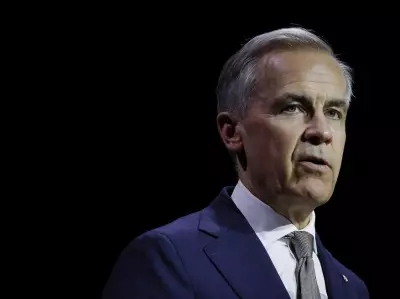
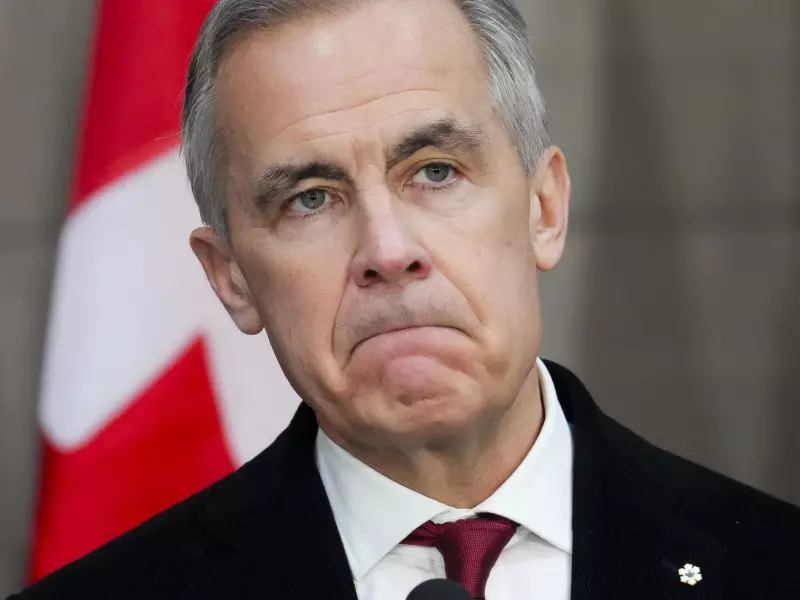
On Friday, the Canadian government aligned with Australia and the European Union in a powerful statement. It called on Iran to immediately end the use of excessive and lethal force by its security forces, including the IRGC. The statement highlighted that over 40 lives had been lost in the recent protests. Prime Minister Mark Carney echoed this, expressing profound concern over reports of violence, arbitrary arrests, and intimidation by the regime against its own citizens.
This firm stance, however, raises a critical question. Why did it take six years of sustained pressure from the Conservative opposition to finally compel the Liberal government to formally designate the entire IRGC as a terrorist organization? This designation only occurred in June 2024.

The Long Road to Designation
The delay is particularly glaring given the IRGC's direct involvement in past tragedies affecting Canadians. A pivotal moment was the downing of Ukraine International Airlines Flight 752 on January 8, 2020. The IRGC shot the plane out of the sky over Tehran, killing all 176 people aboard. The victims included 55 Canadian citizens, 30 permanent residents, and 138 individuals with ties to Canada.
Despite this atrocity, the government under Justin Trudeau did not list the IRGC as a terrorist entity at that time. This hesitation followed a pattern. The Conservative government of Stephen Harper had severed diplomatic ties with Iran in 2012 and listed the IRGC's Qods Force as a terrorist group. Upon taking power in 2015, Trudeau initially spoke of re-engaging with Iran and potentially reopening the embassy in Tehran.
Political pressure mounted. A unanimous Conservative motion in 2018, introduced by MP Garnett Genuis and supported by many Liberal MPs, called for the terror listing. Yet, the government did not act. A second unanimous motion passed in May 2024 finally spurred the official designation the following month.
Consequences and Criticism
Conservative MPs Michael Chong and Melissa Lantsman argued that the six-year delay allowed the IRGC to continue fundraising, recruiting, and operating within Canada. They also stated it enabled the intimidation of Iranian-Canadians who had fled the regime. Even the NDP, which propped up the minority Liberal government, accused the Liberals of dragging their feet for years.
The government defended its slow pace by citing other sanctions on Iran and expressing concern for Iranians conscripted into the IRGC who might seek refuge in Canada. Critics dismissed this reasoning, arguing it could apply to any terrorist organization and that immigration authorities could handle individual cases.
Adding weight to security concerns, the final report of the Hogue foreign interference inquiry last year identified Iran as one of five foreign countries posing a serious threat to Canada's national security, alongside China, Russia, India, and Pakistan.
Canada's current tough talk on Iran, while welcome, reveals a complex and often criticized history of policy deliberation. The journey from diplomatic re-engagement to explicitly naming the IRGC as a terrorist organization highlights the significant political and human costs associated with such delays.