Following the dramatic capture of Venezuelan President Nicolás Maduro by U.S. authorities, a debate has ignited over the operation's legality under international law. Critics, including some governments and legal scholars, have labeled the action a violation. However, a closer examination of legal precedent and the grim realities of Maduro's regime reveals a compelling justification for the move.
The Legal Precedent and Three Strikes Against Maduro
Concerns over international law are paramount, but context is critical. The operation finds a clear legal precursor in the 1990 capture of Panamanian leader Manuel Noriega. When applied to Maduro's case, experts argue the U.S. government has a strong foundation to prevail, both legally and in the court of public opinion.
Maduro's tenure presented three definitive strikes that eroded his sovereign impunity and created a basis for external intervention.

First, his administration was responsible for severe, systematic human rights abuses, precipitating one of the worst humanitarian crises in modern history. Since 2015, approximately eight million Venezuelans have fled the country, creating a massive global refugee situation. The United Nations documented extensive extrajudicial killings, arbitrary detentions, and torture, with Amnesty International describing Maduro's prisons as torture chambers.
Second, was the comprehensive state capture by Maduro's Cartel de los Soles, a faction allegedly central to international drug trafficking and black-market operations, effectively turning Venezuela into a narco-state.
Third, was the fraudulent seizure of power after losing the 2024 presidential election to opponent Edmundo González Urrutia. Following this illegitimate swearing-in, which involved violent suppression by paramilitary colectivos and Cuban mercenaries, over 50 nations refused to recognize Maduro as Venezuela's legitimate leader.
Geopolitical Enablers and the UN Impasse
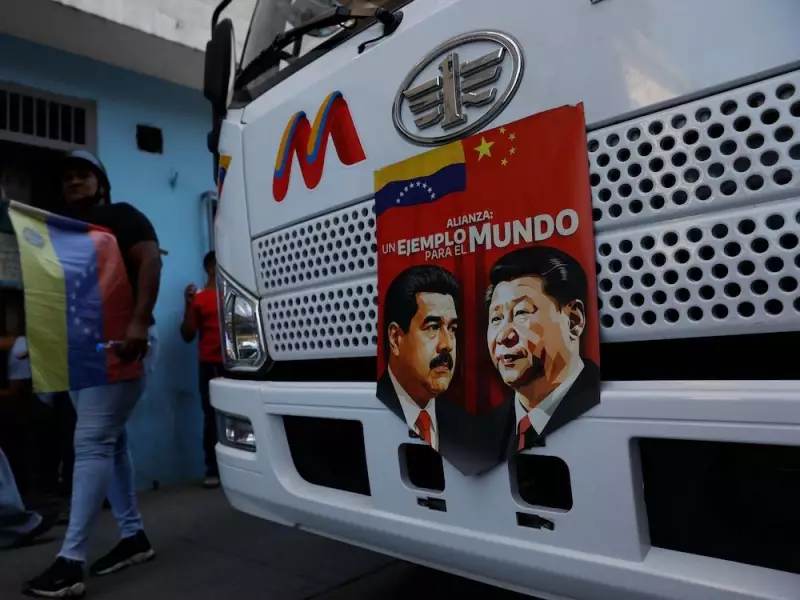
The Maduro regime's survival was bolstered by strategic alliances with adversarial states, including Iran, Russia, China, and Cuba. These nations provided the regime with weapons, technology, loans, and sanctions evasion support. In return, they gained access to Venezuela's oil, gold, and illicit trade networks worth billions, securing a critical foothold in the Western Hemisphere.
Critically, China and Russia used their UN Security Council veto power to shield Maduro from international accountability for human rights atrocities. Their support, driven by direct benefit from Venezuela's captured state, rendered any hope of a formal UN resolution for his removal impossible. This geopolitical deadlock left few lawful alternatives to address the escalating crisis.
The Final Catalyst and Justified Action
The fraudulent 2024 power grab was the final catalyst. The international response was swift: the Biden administration initially placed a US$25 million bounty on Maduro in January 2025, later doubling it to US$50 million by August. This signaled a shift toward direct action.
Faced with a dictator accused of narco-terrorism, devastating human rights violations, and illegally clinging to power, the alternative to capture was to leave a criminal regime in place, perpetuating the suffering of the Venezuelan people. The argument concludes that based on the Noriega precedent and the overwhelming evidence against Maduro, the U.S. action was not only justified but necessary, as the law demanded accountability where the UN system had failed.